



Car Reviews
2026 Subaru Forester Wilderness

Built for the Trail, Tested by Real Life
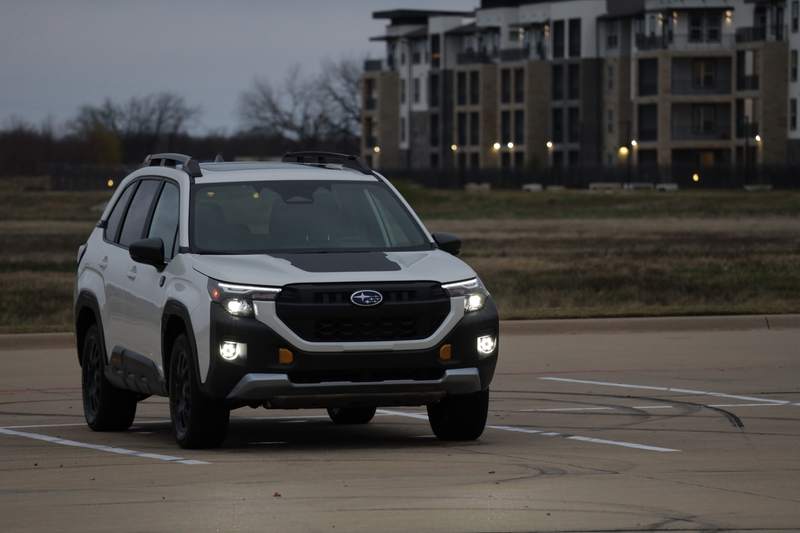
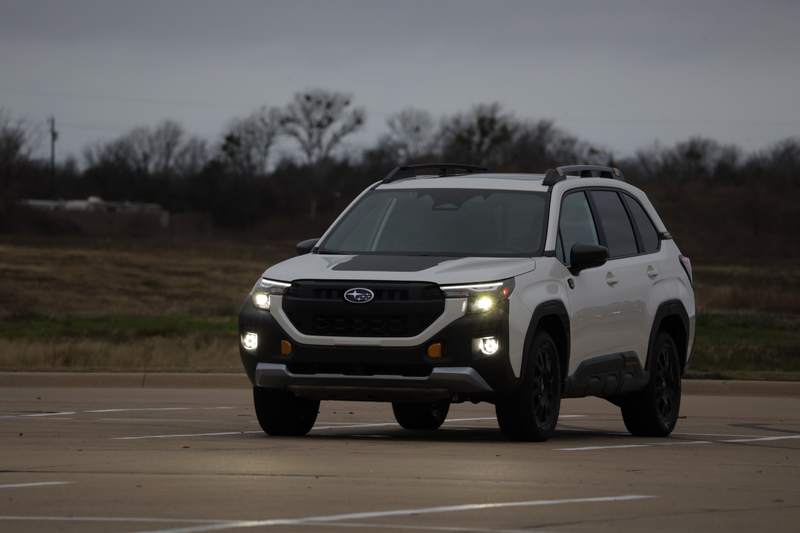
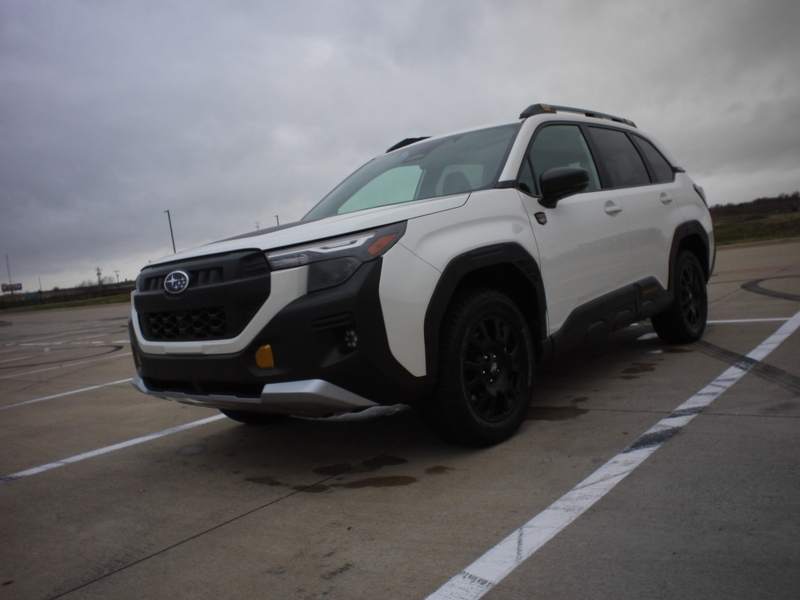
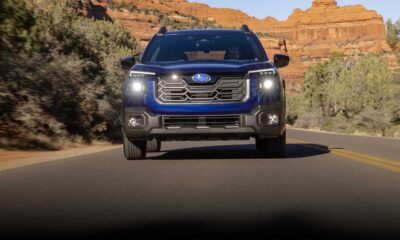
There’s something about the Subaru Forester Wilderness that makes you stop and look twice. Maybe it’s the taller stance. Maybe it’s the chunky tires and copper-colored accents. Or maybe it’s the fact that, in a world where compact SUVs are increasingly trying to be sleek and car-like, this one still looks like it wants to get dirty.
The 2026 Subaru Forester Wilderness is Subaru’s most capable Forester yet. It’s taller, tougher, and more purpose-built than the standard model. On paper, it sounds like the Forester a lot of Subaru fans have been waiting for. But after a full week of real driving—including daily commuting and a loaded-up family road trip—it became clear that capability comes with tradeoffs.
This is a vehicle that knows what it is. The question is whether that lines up with what you actually need.
Looks That Mean Business
Let’s start with the obvious: the Wilderness looks good.
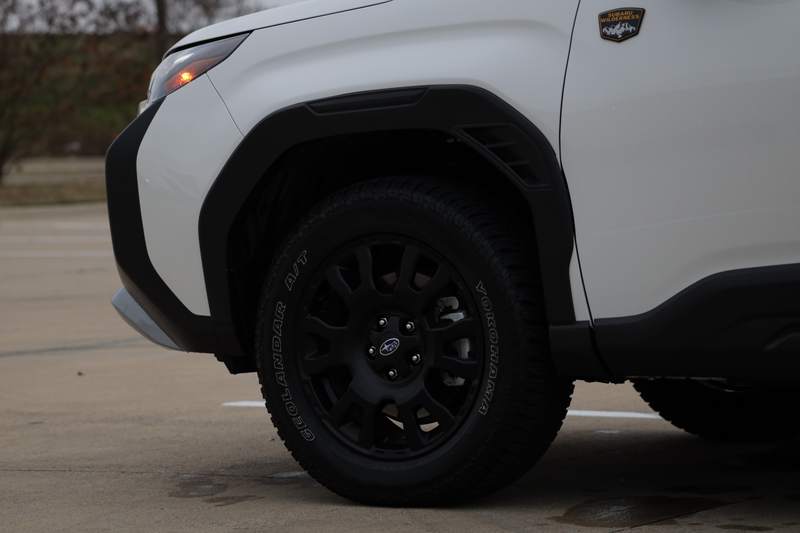
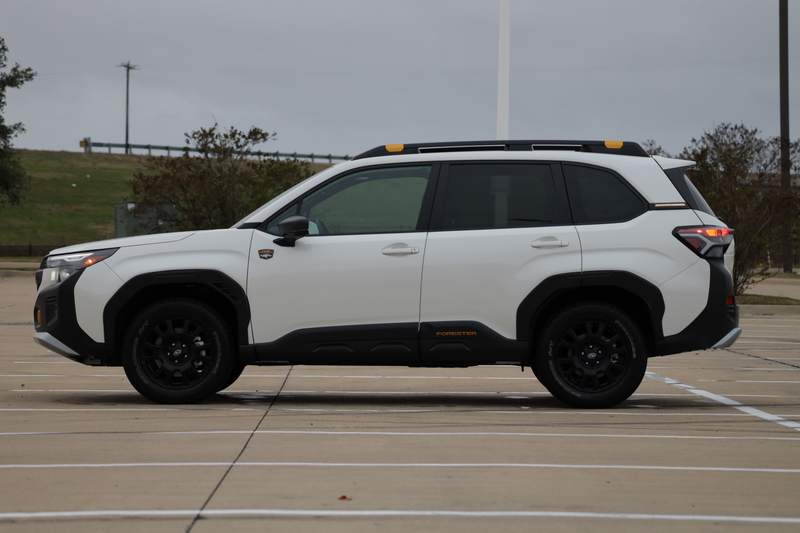
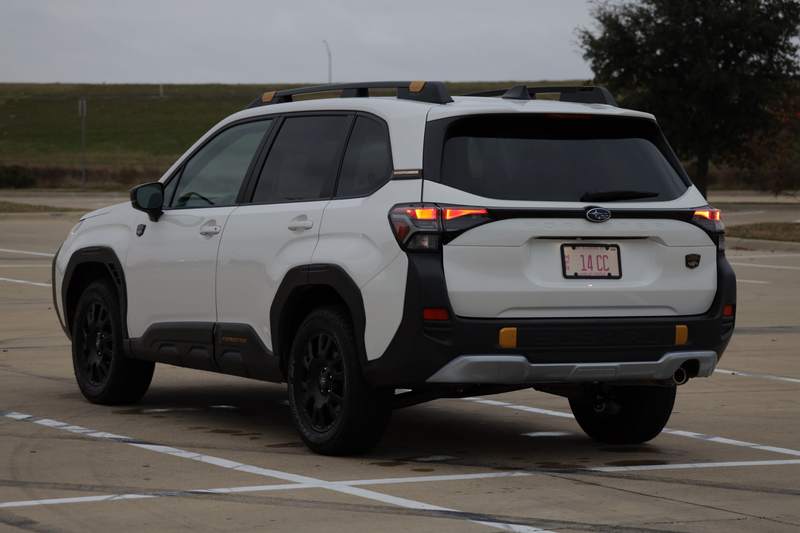
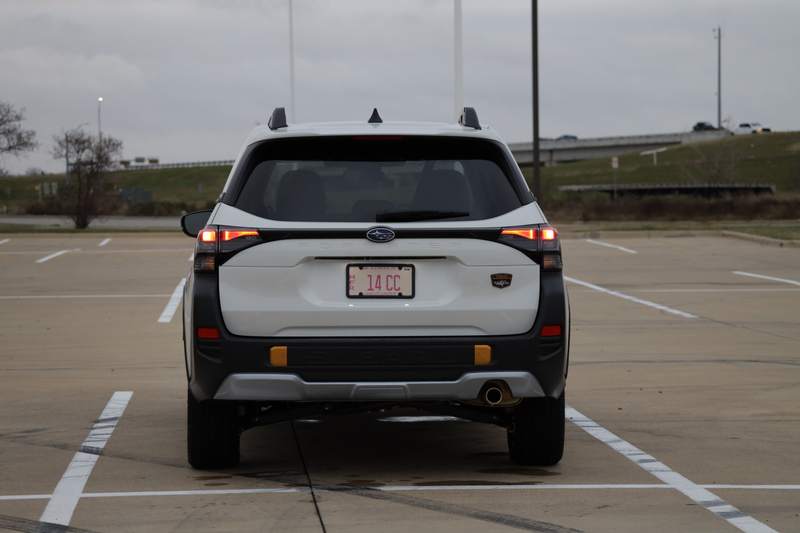
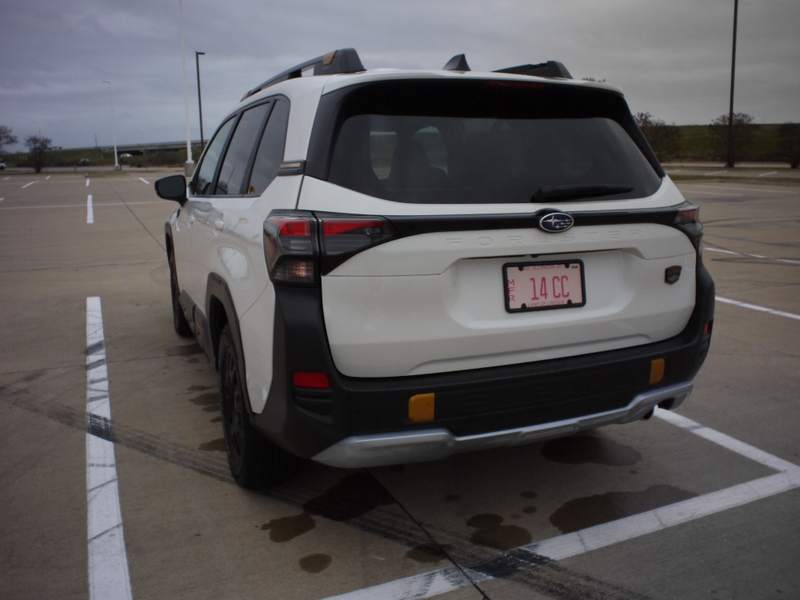
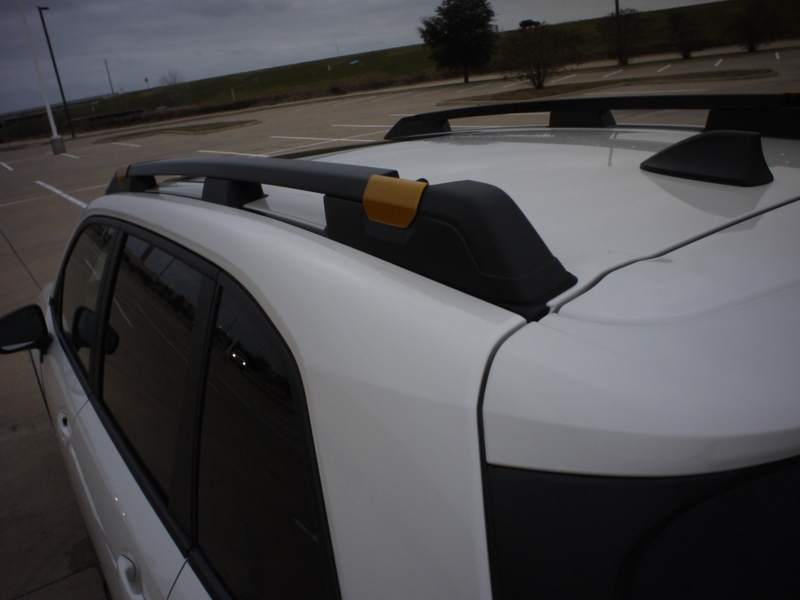
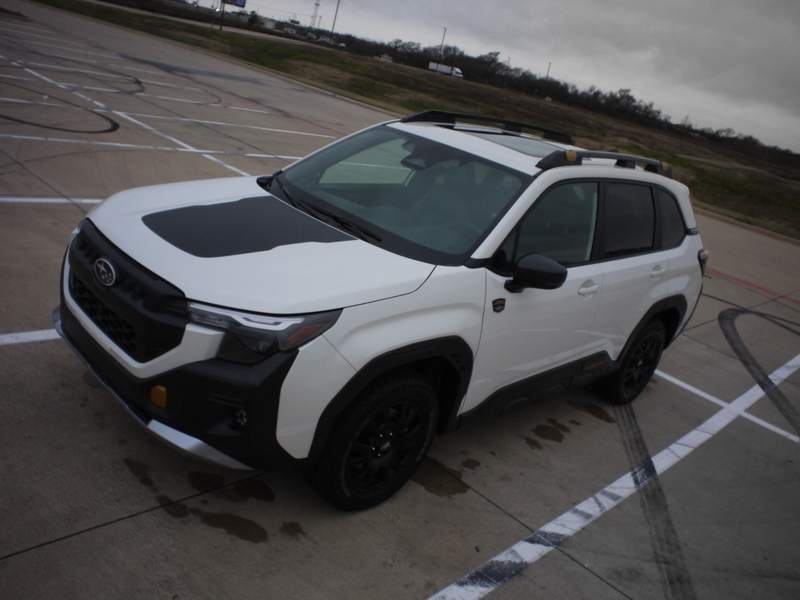
Compared to a regular Forester, it sits noticeably taller, and that extra ground clearance changes the entire attitude of the vehicle. The wheels are bigger and more rugged, wrapped in all-terrain tires that actually look ready for work. The decals, the matte black trim, and the copper accents give it personality without crossing into cosplay territory.
This doesn’t feel like a styling package pretending to be adventurous. Subaru clearly wanted the Wilderness to look—and feel—different, and visually, they nailed it. It still reads as a Forester, but one that’s far more comfortable pulling into a trailhead than a Target parking lot.
It’s rugged without being loud, and for buyers who want their SUV to look capable before it ever leaves pavement, that matters.
Familiar, With a Purpose
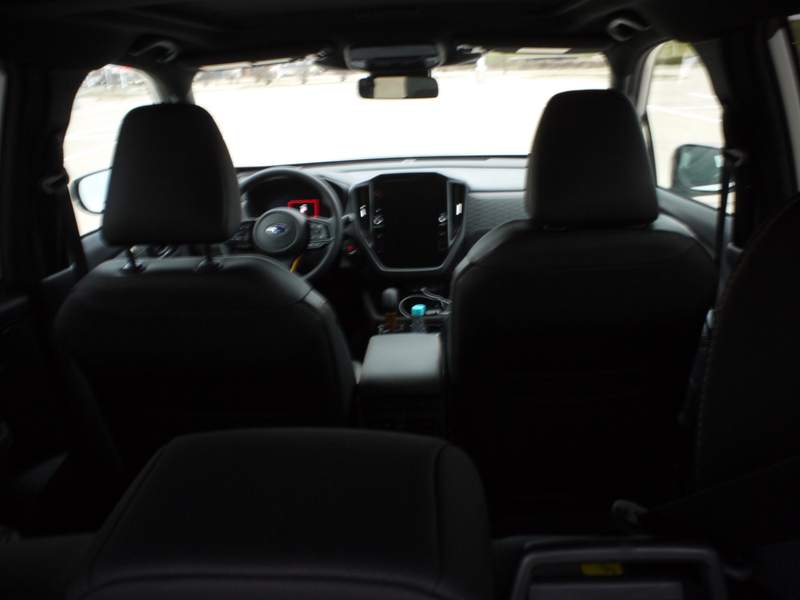
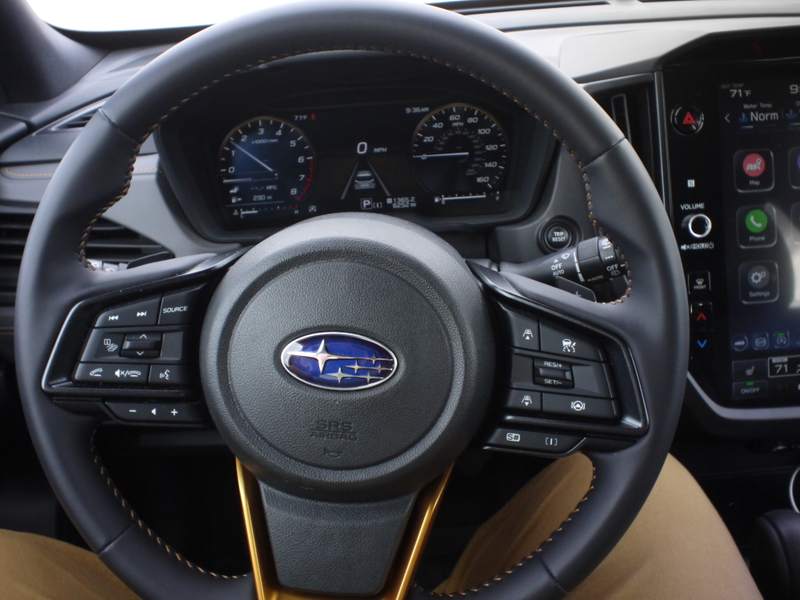
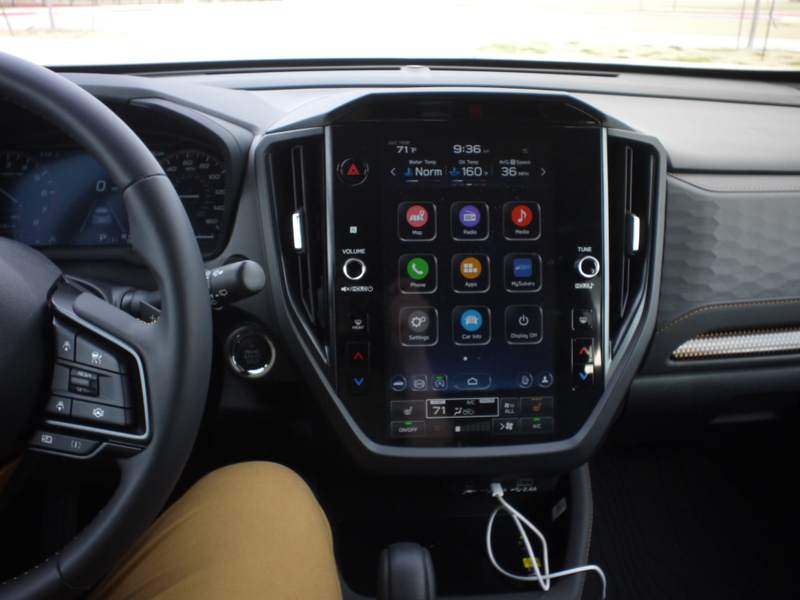
Climb inside, and the Wilderness immediately feels familiar. If you’ve spent time in a recent Forester, you’ll recognize the layout right away. The screens, the controls, the overall design—it’s all very Subaru.
That’s not a bad thing.
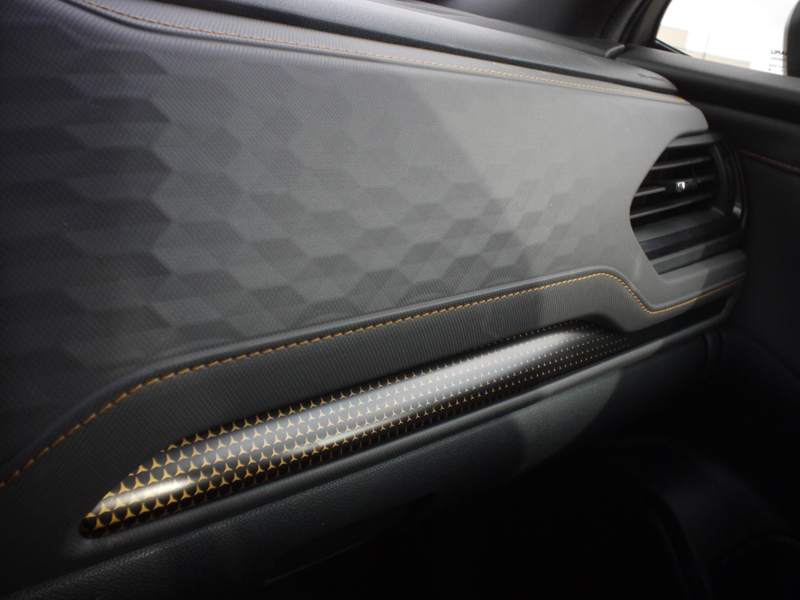
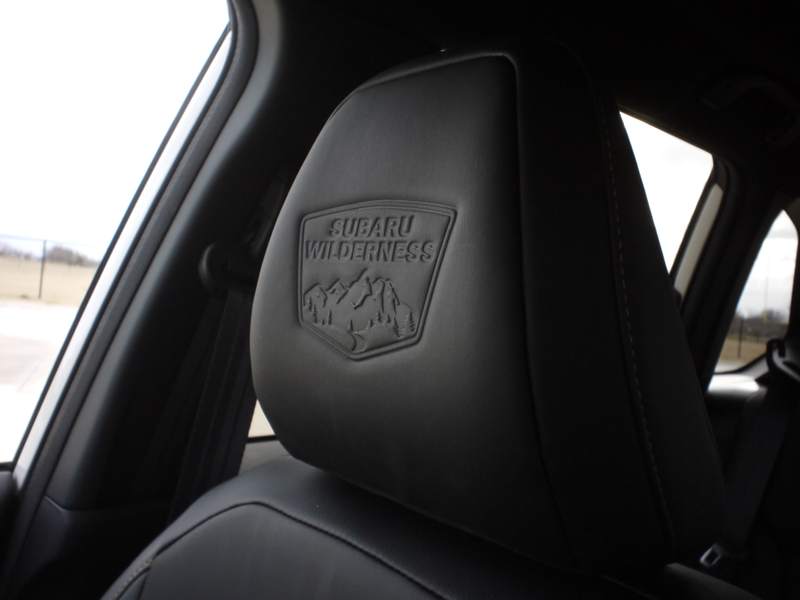
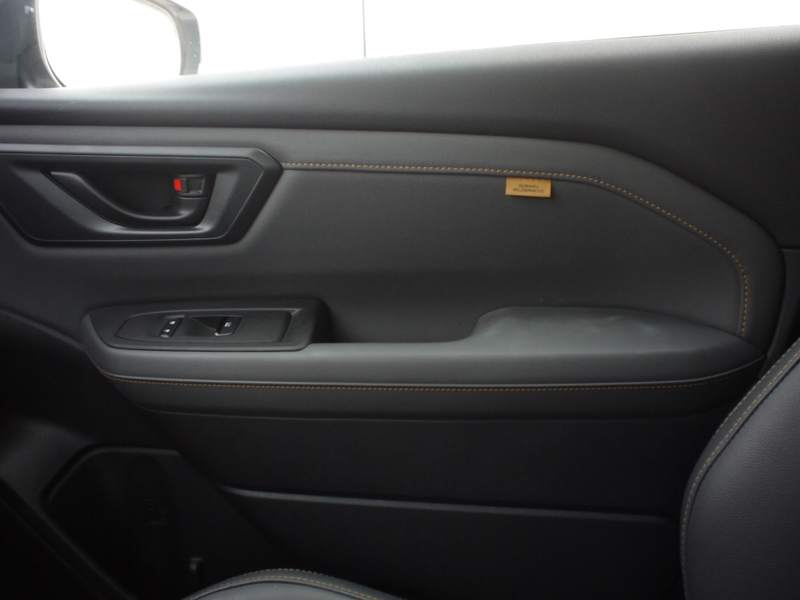
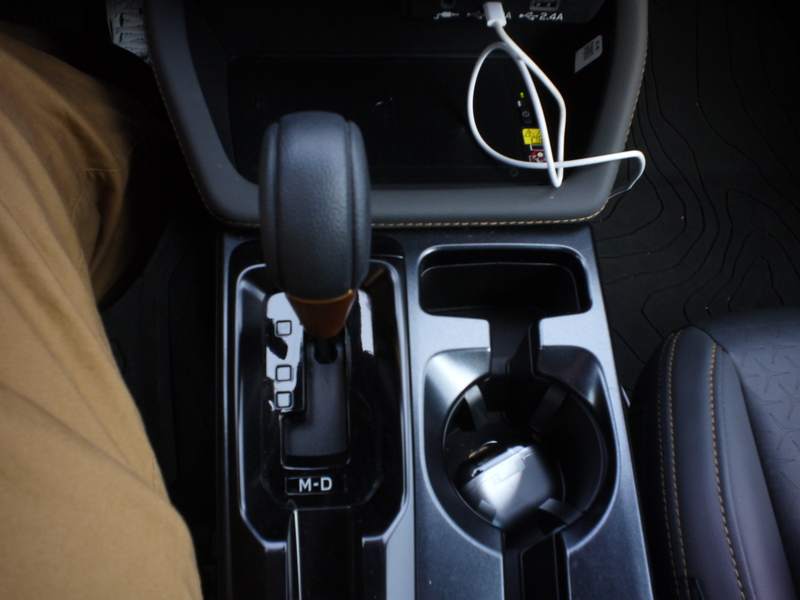
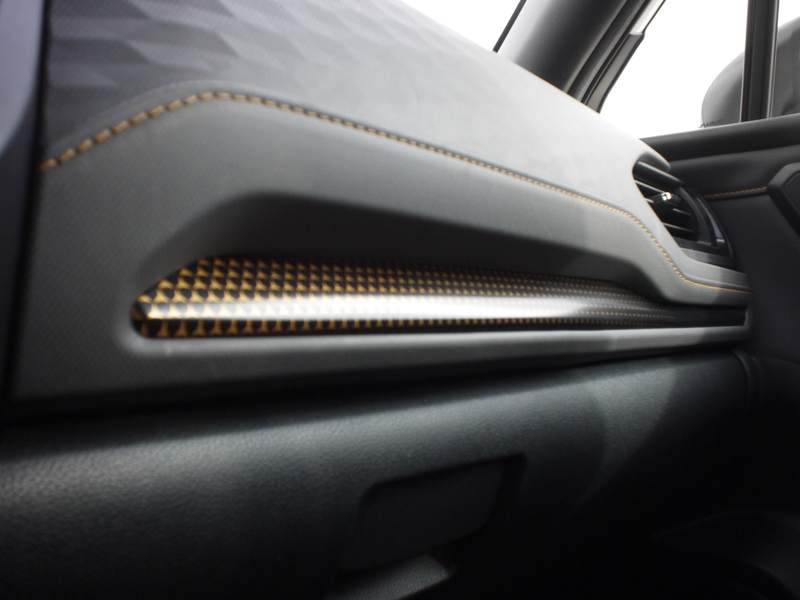
The Wilderness adds its own touches, including StarTex water-resistant upholstery, copper accents, rubber floor mats, and Wilderness badging stitched into the seats. These details don’t just look cool; they reinforce the idea that this interior is meant to be used, not babied.
The seats are decent. They’re more comfortable than older Subarus, but they still aren’t class-leading. On short drives, they’re perfectly fine. On longer stints, especially on the highway, I found myself wishing for more support. It’s not uncomfortable, but it’s also not effortless.
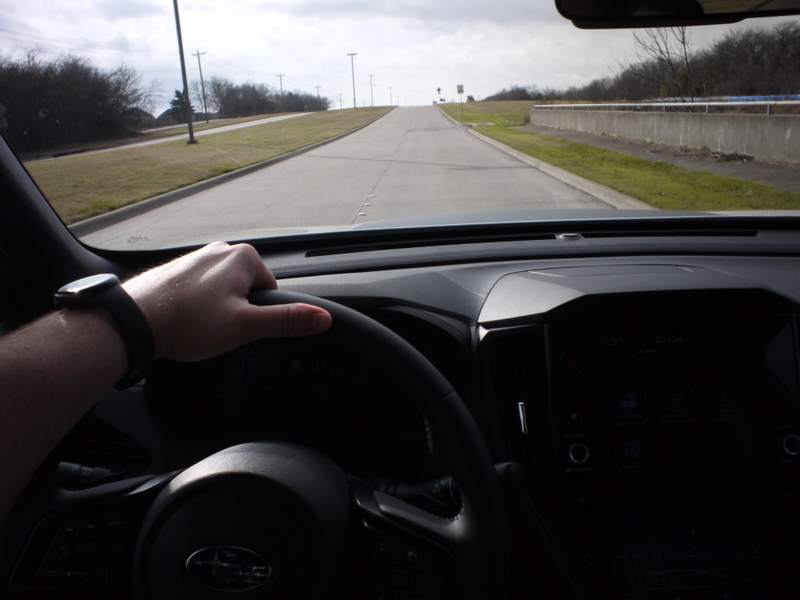
The sunroof is a nice size, the wireless phone charger is convenient, and visibility—one of the Forester’s long-standing strengths—remains excellent. You sit upright, you can see out, and that makes the vehicle easy to place on the road and on tighter trails.
The infotainment system, however, still feels a step behind the competition. It works, but it can feel clunky and slow at times. It’s functional, not frustrating—but it’s also not something that fades into the background the way the best systems do.
This interior makes sense for the Wilderness mission. It’s durable, practical, and honest. Just don’t expect luxury.
Power Isn’t the Point—But You’ll Notice It
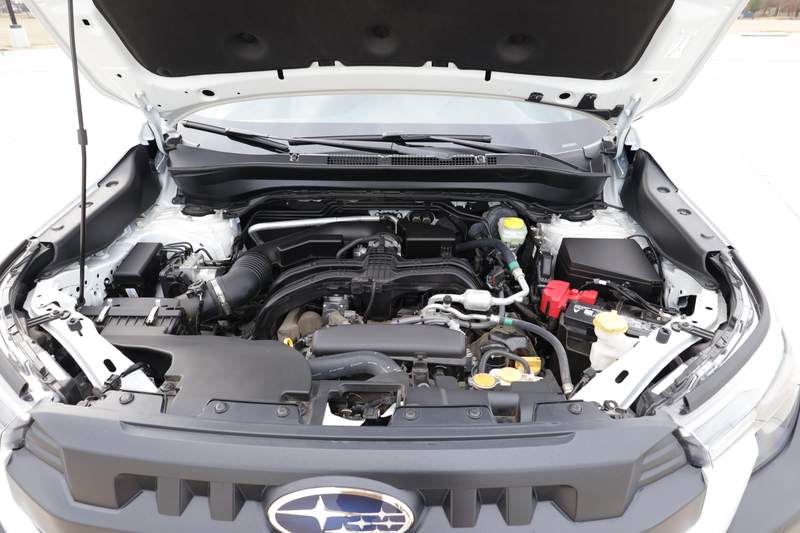
Under the hood of the 2026 Subaru Forester Wilderness is a 2.5-liter boxer four-cylinder making 180 horsepower and 178 lb-ft of torque, paired with a CVT. Subaru has revised the gearing and AWD tuning to improve low-speed control, and that absolutely helps off-road.
On the road, though, power is the Wilderness’s biggest weakness.
Around town, it’s fine. The throttle response is acceptable, and it does what you ask without drama. But once you’re on the highway—especially with passengers and cargo—you feel the lack of power immediately. Passing requires planning. Merging takes patience. The engine sounds like it’s working hard just to keep up.
On longer drives, that effort adds up.
I took the Forester Wilderness on a family road trip from Rockwall to Granbury. Three kids across the back seat, one passenger up front, luggage in the cargo area. It handled the load, but it never felt relaxed doing it. Add in noticeable wind noise and the way the vehicle gets pushed around by crosswinds, and fatigue sets in faster than it should.
The ride quality is mostly comfortable, but it can feel bumpy over rough pavement. Combined with the powertrain’s constant effort, this isn’t a vehicle that encourages long, easy highway miles.
If you want refinement and smoothness, Subaru offers that elsewhere in the lineup. The Wilderness is clearly tuned with different priorities in mind.
Confidence Where It Counts
Off pavement, the story changes.
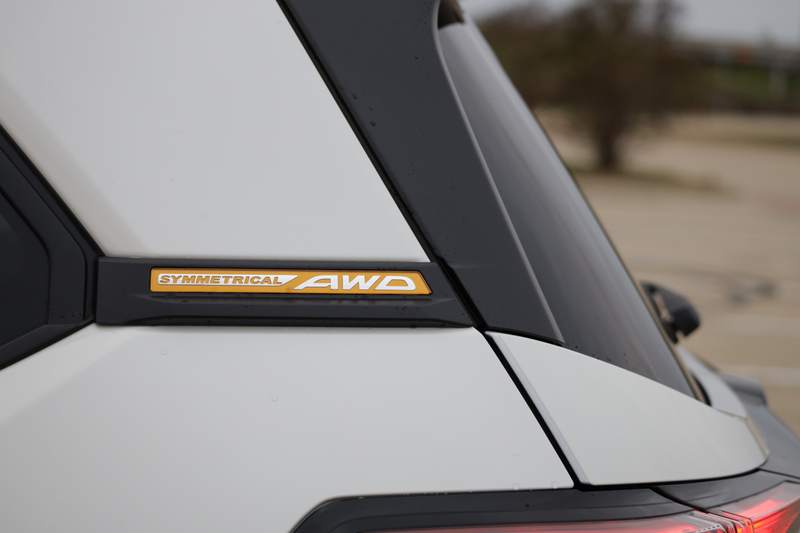
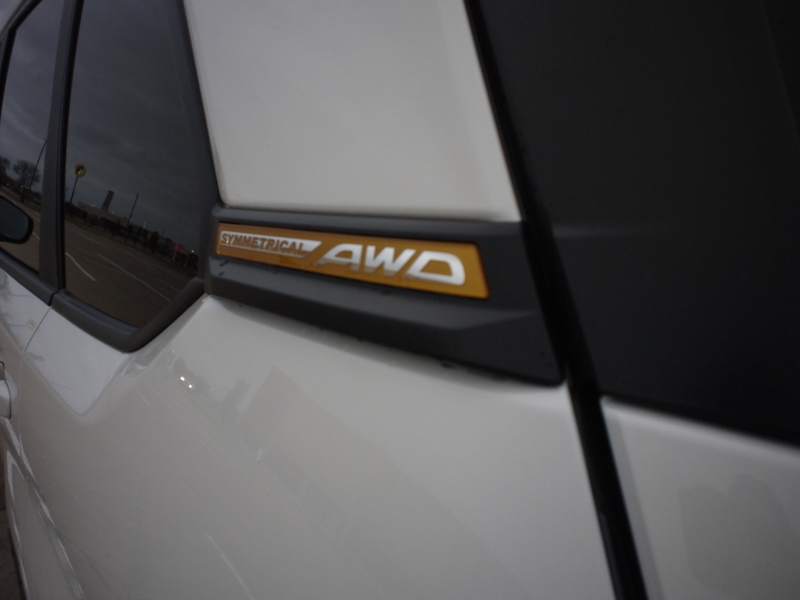
This is where the Forester Wilderness earns its name. The extra ground clearance, revised AWD behavior, underbody protection, and additional cooling all come together to create real confidence at low speeds. Subaru’s X-MODE system is effective, and the shorter gearing makes crawling along loose surfaces feel controlled and predictable.
I didn’t take this rock crawling, but on gravel roads, uneven surfaces, and rough access paths, the Wilderness feels more capable than a standard Forester. It doesn’t pretend to be a hardcore off-roader, but it also doesn’t shy away from conditions that would make other compact SUVs uncomfortable.
If your weekends involve trailheads, campsites, or muddy back roads, this setup makes sense.
Everyday Use Still Matters
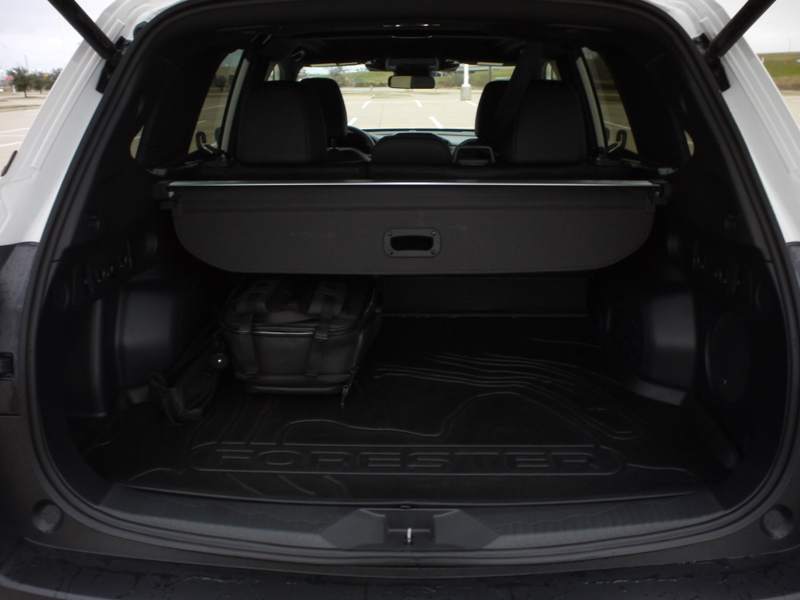
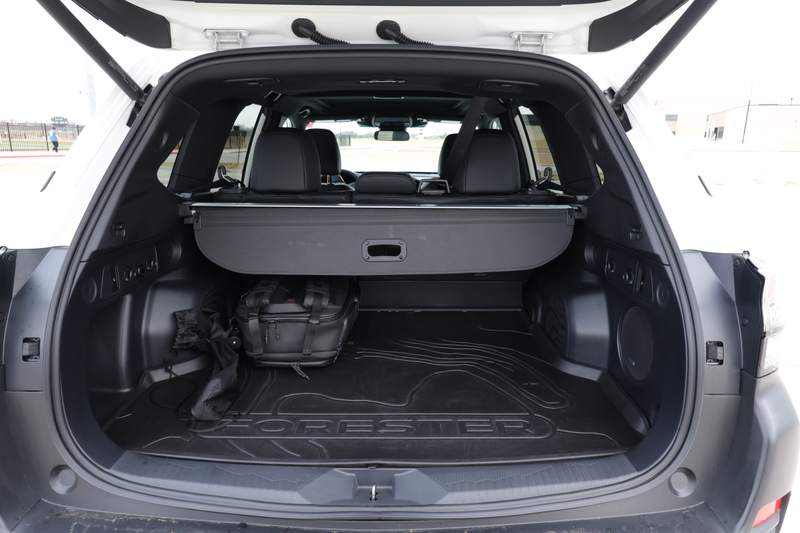
Despite the rugged focus, the Forester Wilderness remains a practical family vehicle. Cargo space is usable and well shaped, the rear seats accommodate three kids without drama, and the low load floor makes loading and unloading easy.
This is where the Forester platform continues to shine. It’s more livable than smaller Subaru options, and that extra space matters when you’re dealing with real life instead of spec sheets.
The Wilderness handled daily commuting, errands, and family duty without complaint. It just reminded me—often—that it was built with adventure in mind first.
Price and Perspective
As tested, the 2026 Subaru Forester Wilderness comes in just over $42,000. That puts it squarely in competition with some very strong alternatives.
If you’re looking for a comfortable daily driver, vehicles like the Honda CR-V make a compelling case. Kia and Hyundai offer more refinement and tech at similar price points, and even their adventure-leaning trims manage to balance comfort and capability well.
So the value question comes down to intent.
If you’re buying a Subaru because you want Subaru things—real AWD, excellent visibility, durability, and confidence off pavement—the Forester Wilderness delivers. If you’re mostly commuting and road-tripping on highways, there are better options.
Final Thoughts
The 2026 Subaru Forester Wilderness is the most capable Forester Subaru has ever built. It looks right, it feels honest, and it does exactly what it claims to do.
But it’s not for everyone.
The lack of power, the highway fatigue, and the interior that trails the class leaders make this a tougher sell if your driving life stays mostly on pavement. As a daily driver, it asks you to accept compromises. As an adventure-focused vehicle, it rewards you with confidence and simplicity.
If you’re a Subaru loyalist—or someone buying their first Subaru because you value function over flash—the Forester Wilderness makes a strong case for itself.
It’s a reminder that capability still matters. You just need to be honest about how often you’ll use it.