

Car Reviews
The 2026 Volkswagen Tiguan SEL R-Line Turbo Earns Its Attitude

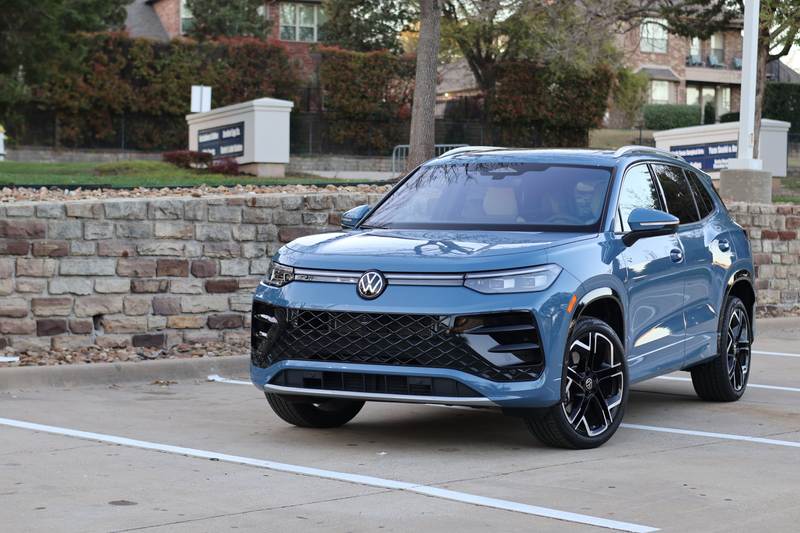
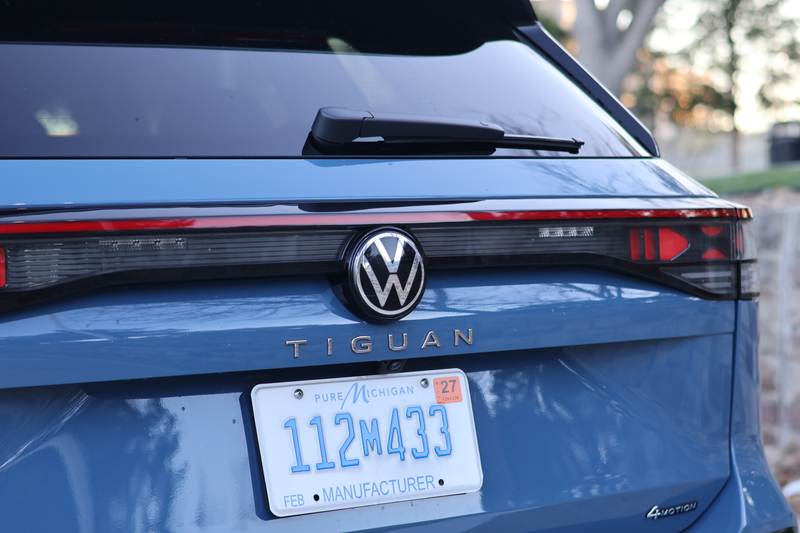
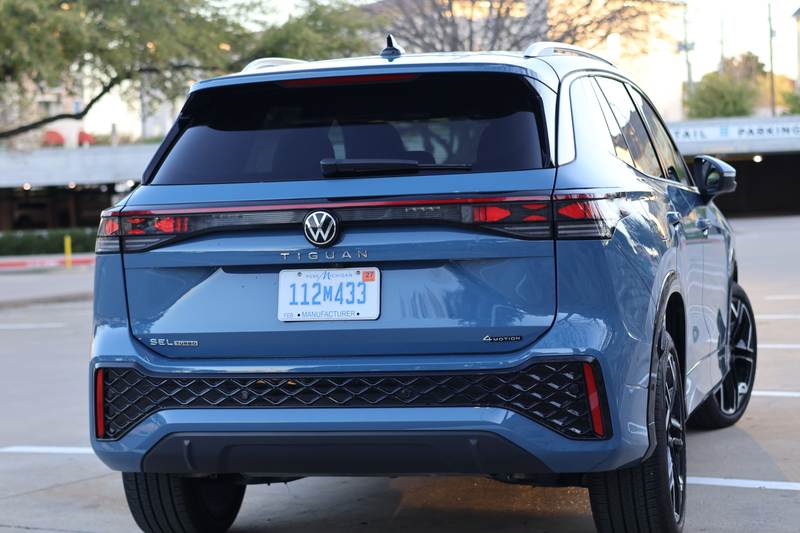
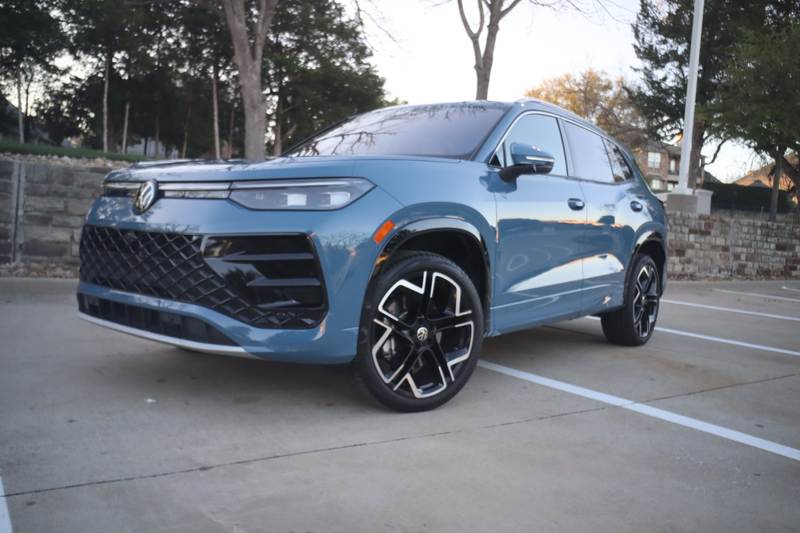
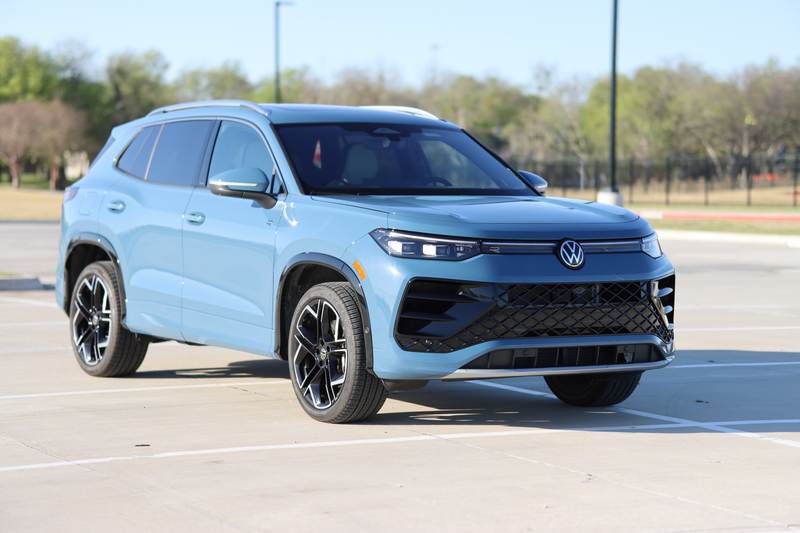
Some SUVs announce themselves with noise. The 2026 Volkswagen Tiguan SEL R-Line Turbo I spent the week in preferred light — slim LED lamps, a full-width front bar, a backlit roundel, and twenty-inch two-tone wheels under Monterey Blue Pearl paint — and then backed the drama up where it counts: in the seat of your pants and through your fingertips. I have been a Tiguan fan for a long time as a sort of do-everything compact family tool. This generation keeps that practical soul, but the Turbo trim is the one that stops pretending it is only about sensible.
If you want rolling detail, lighting walkarounds, and a fuller tour of the massage seats — yes, massage seats in a Tiguan — the video review on TXGarage’s YouTube channel covers the same loaner with more B-roll breathing room. What follows is the week distilled onto the page.
Looks That Mean It
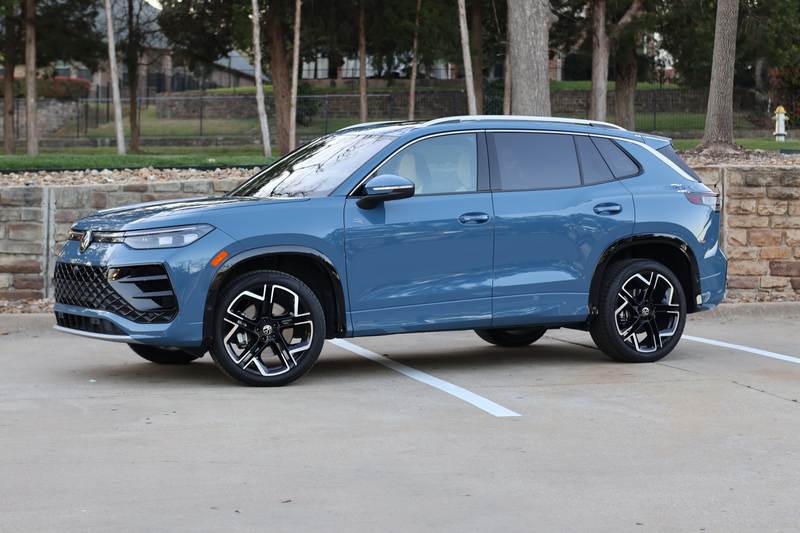
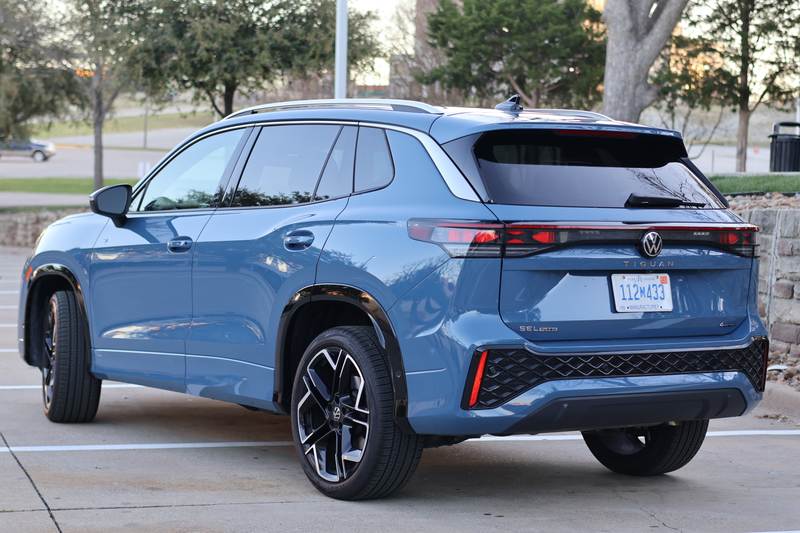
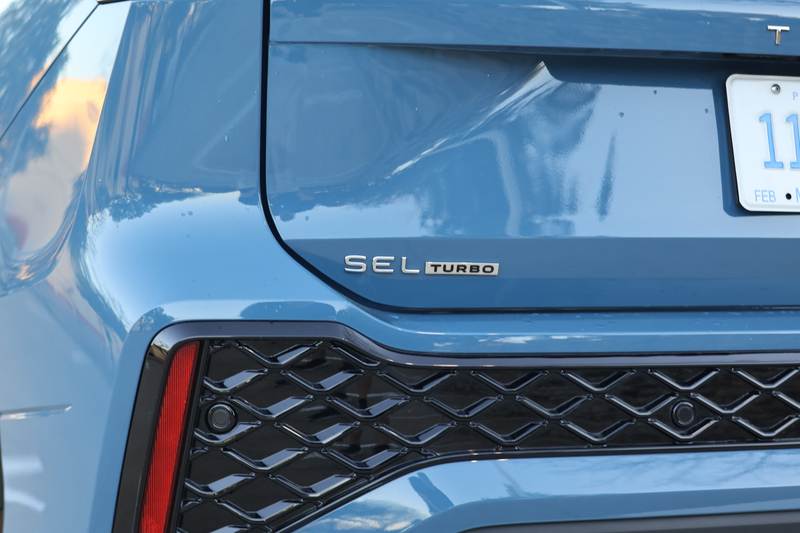
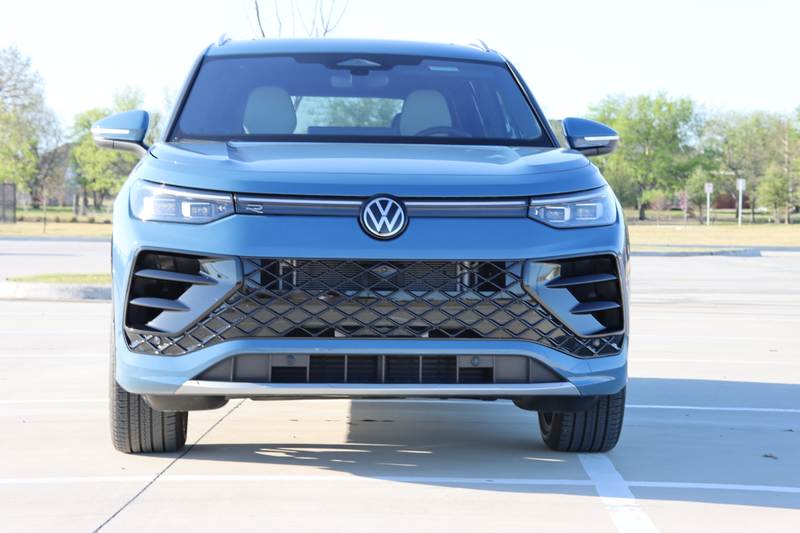
I will not dance around it: I love how this R-Line looks. Sporty and premium is an easy phrase for marketing decks; in person it reads as cohesive rather than busy. The diamond-pattern lower fascia nods toward Golf R energy without cosplay, the proportions feel planted on a roughly one-hundred-ten-inch wheelbase, and the Turbo-specific lighting signature is the kind of thing neighbors notice when you pull in after dark. The rear treatment with the light bar and illuminated logo ties the story together instead of feeling like an afterthought.
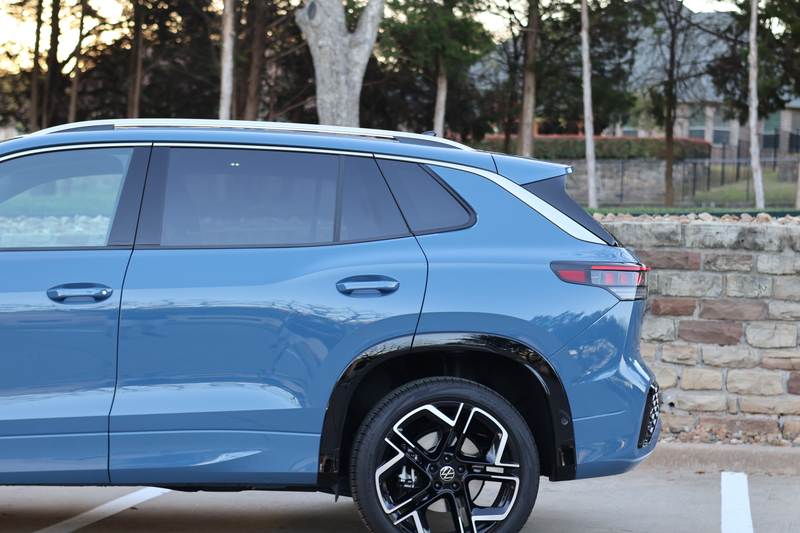
This is still a compact two-row for North America — no third row, no pretending — and the sheetmetal makes peace with that reality. VW cites useful aero figures on some variants; I am more interested in how the shape carries color. Monterey Blue Pearl suited the upscale vibe on my build, and the machined twenty-inch wheels fill the arches the way a top trim should.
Inside, Where VW Has Been Winning
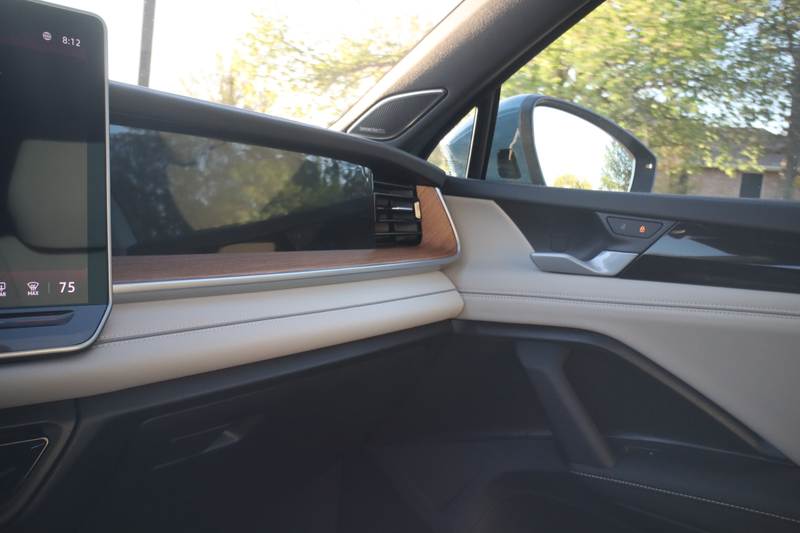
The cabin is where Volkswagen has been earning its recent U.S. momentum, and the SEL R-Line Turbo is the full highlight reel. Materials read a class above anonymous plastic; the American walnut on the dash is the specific detail I kept touching because it adds warmth without looking retro. Turbo trims can be had with different leather and stitching schemes depending on how you spec, but the story is the same: this interior wants to be noticed.
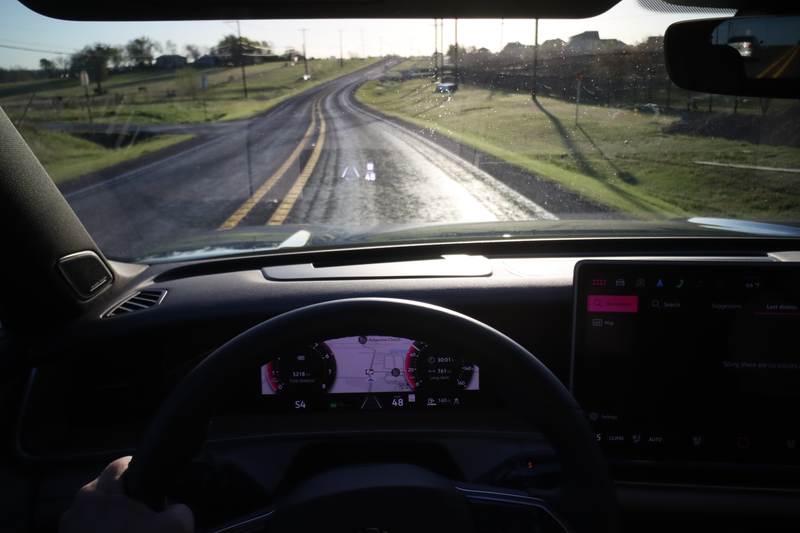
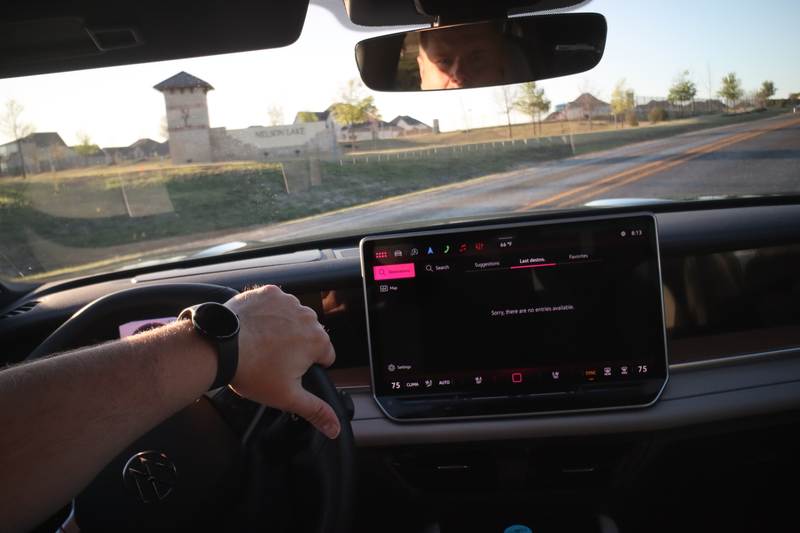
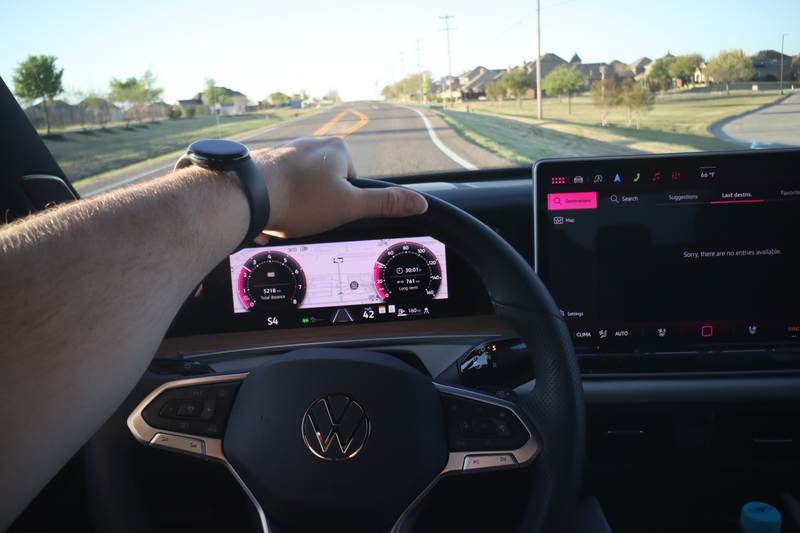
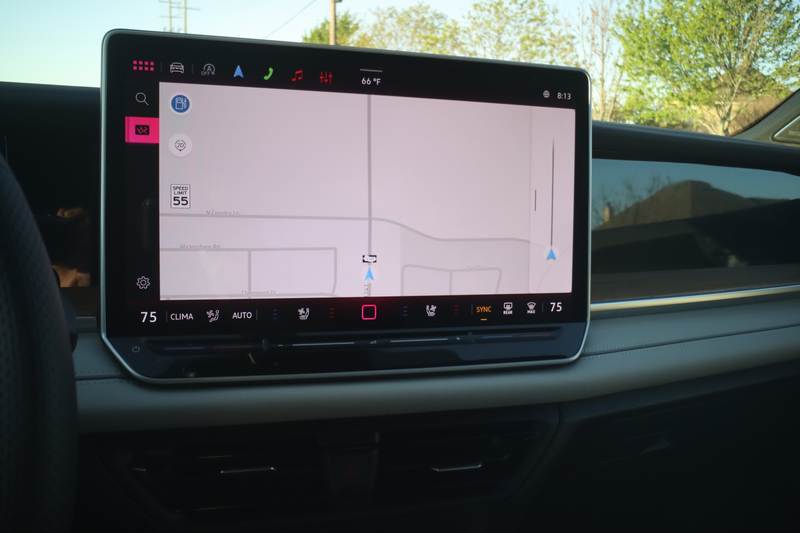
The screen real estate is serious. Every Tiguan gets a ten-and-a-quarter-inch Digital Cockpit Pro; Turbo steps to a fifteen-inch center display with navigation in VW’s equipment mapping. Wireless phone projection, a ventilated wireless charge pad, a pile of USB-C with real wattage, and SiriusXM 360L with a short trial window round out the connectivity picture. Three-zone climate control is the kind of feature that ends back-seat negotiations before they start, and heated rear outboard seats back up the family mission.
My favorite interior feature is almost unfair to the competition: heated and ventilated front seats with a ten-chamber pneumatic massage. It sounds gimmicky until you use it on a long day. Harman Kardon audio, acoustic windshield glass, and the heated windshield hardware on the equipment list match the price point’s expectations more honestly than a badge alone ever could.
I had no UX frustrations on this loan; touch-heavy layouts have tripped up other writers in past TXGarage coverage, but this week was smooth. If you are shopping, spend time with the climate and assist menus on a dealer lot — your fingers, your rules.
Powertrain and Numbers, Briefly
Under the hood sits the EA888 evo5 two-liter turbo in its stronger tune for Turbo trims: two hundred sixty-eight horsepower and two hundred fifty-eight pound-feet of torque across a broad rpm band, paired with an eight-speed automatic and standard 4Motion all-wheel drive on this model. The engineering story includes the expected modern hits — high-pressure injection hardware, charge cooling, strengthened internals — but the real-world headline is simple: it feels responsive without turning refined into frantic.
Towing is rated up to one thousand eight hundred pounds on AWD models. I did not trailer-test this loaner.
Fuel economy belongs to your window sticker first. Volkswagen publishes twenty-two mpg city, twenty-nine highway, and twenty-five combined for this SEL R-Line Turbo 4Motion as manufacturer figures; my Monroney was not yet in the research folder when this review was drafted, so treat those numbers as reference until your label confirms them. If you are comparing to hybrids in the segment, run your own commute math — emotional wins and MPG wins are not always the same shopper.
The Drive, Finally Worth the R-Line Badge
This is the paragraph I would have wanted to read five years ago when “R-Line” sometimes meant skirts and wheels more than chassis truth. The Tiguan Turbo is smooth and responsive underfoot, with ride comfort that never devolved into brittle busy-ness on the roads I used. Road noise stayed in the background; refinement felt intentional rather than accidental.
Steering and handling are the standouts. I have driven Volkswagens with lighter, deader racks that prioritize isolation over information. This one actually engages you — weight builds naturally, turn-in feels willing, and the chassis will take a back-road set if you want an excuse to skip the highway. Braking never drew complaints; Turbo’s rear vented rotors versus solid discs on lesser trims is one of those quiet spec-sheet details that matches how the SUV conducts itself.
IQ.DRIVE assists behaved predictably in hands-on use. Model-year twenty-six adds a driver-initiated assisted lane change when conditions allow; if you film it, do it legally and calmly — it is a convenience feature, not a party trick.
Still a Tiguan Where It Counts
Cargo space remains a strength on paper: about thirty-three point eight cubic feet behind the second row and roughly sixty-nine point eight with the rear seats folded, plus a smart cargo floor that makes spare access less of a puzzle. Passenger volume lands around a hundred three point eight cubic feet. The hands-free power tailgate and parking aids — Park Assist Plus and Area View on Turbo — are the quality-of-life items that matter when you are tired and the lot is tight.
I did not stress-test child seats or run an off-road course; 4Motion includes profiles that lean toward slippery surfaces on the brochure, but this review stays rooted in on-road family duty — where most of these will live.
Price and the Neighbors
The build I priced from VW’s configurator capture landed around forty-five thousand fifteen dollars total MSRP including destination, with Monterey Blue adding four hundred fifty-five dollars on top of trim MSRP. Real transaction prices will vary; use my number as a snapshot, not a guarantee.
Competitors are the usual compact-SUV hall of fame: Toyota RAV4, Honda CR-V, Mazda CX-5 and CX-50, Hyundai Tucson, and the broader two-row set. Some of those will win a spreadsheet on fuel economy or resale; the Tiguan Turbo’s pitch is interior polish, power, and road manners that feel aligned with the design promise. If you want maximum efficiency above all else, a hybrid may still whisper your name. If you want a crossover that feels special on date night and invisible on Tuesday car-pool duty, this trim makes a coherent case.
Bottom Line
Volkswagen did not phone in the range topper. The 2026 Tiguan SEL R-Line Turbo delivers the sporty, premium presence its sheetmetal promises, backs it with a cabin that actually feels expensive where you touch and listen, and closes the loop with steering and handling that remind you why some of us still care about Wolfsburg tuning. I finished the week without a gripe list — a rare clean sheet — and with a simple takeaway: this is the Tiguan that drives as good as it looks, and those massage seats are the indulgence you will use more than you admit.