







Car Reviews
Lexus LX 700h Hybrid – HY FASHION, EFFICIENCY

Lexus LX 700h Hybrid
HY FASHION, EFFICIENCY
The LX700h sits at the top of the Lexus lineup, a full-size luxury SUV built for families who want comfort, quiet, and long-term reliability. It starts at $143,801 with delivery, and the only notable option on our test vehicle was a $450 set of cross bars. That simplicity fits the LX mission. Buyers in this segment want capability and refinement without a long list of add-ons. The LX700h meets that need with a hybrid V6, a 10-speed transmission, and a cabin that stays calm – no matter the road – and carries on.
Its main competitors include the Mercedes-Benz GLS580, BMW X7 M60i, Cadillac Escalade V, Lincoln Navigator Black Label, and the Range Rover Autobiography. All cost similar money, and all promise power and prestige. The LX700h answers with composure and efficiency. The writers who drove it before me averaged 15.6 mpg. Driving my old-man style on back roads, I coaxed more than 23 mpg out of it and finished the week at 20.5 mpg.
Competitor snapshot
- Mercedes-Benz GLS580 — higher horsepower, broader option list, but lower reliability and higher maintenance costs.
- BMW X7 M60i — sharper handling and quicker acceleration, but a busier ride and more complex tech.
- Cadillac Escalade V — dramatic power and space, but poor fuel economy and a louder cabin.
- Lincoln Navigator Black Label — strong comfort and cargo room, but less precise steering and lower resale value.
- Range Rover Autobiography — unmatched prestige and off-road hardware, but expensive repairs and inconsistent reliability.
Handsome lug
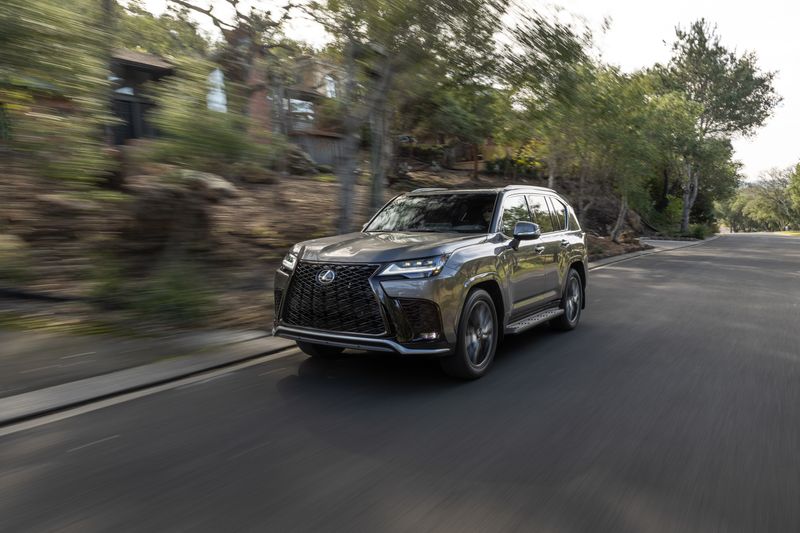
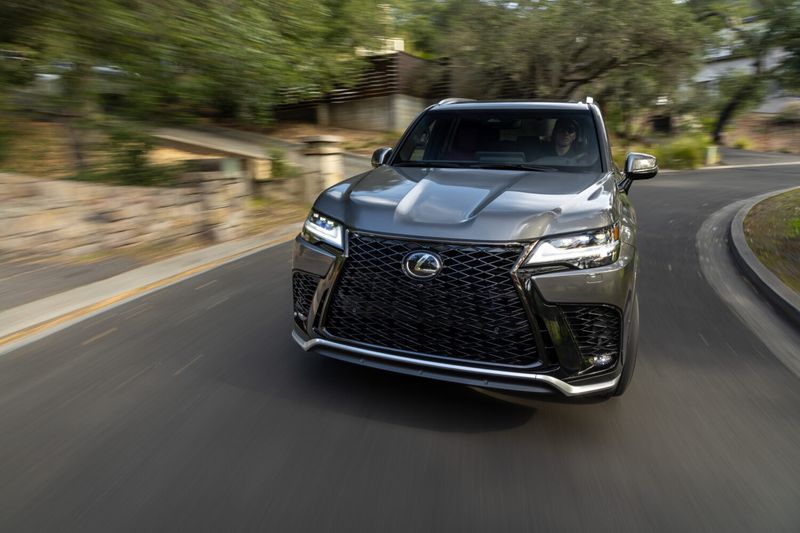
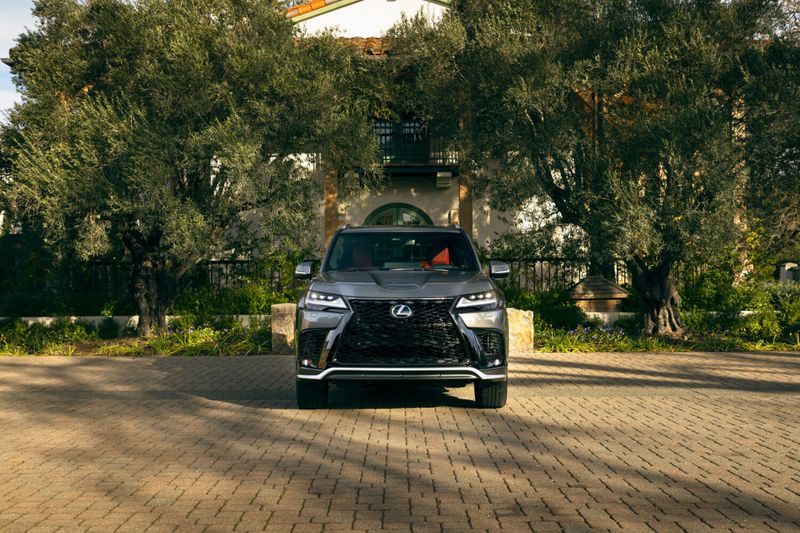
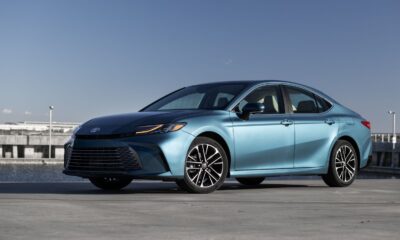
The LX700h carries the Lexus design language with a tall stance, clean body lines, and a grille that signals its place in the lineup. The proportions stay balanced for a vehicle this size. Lexus keeps the roofline straight to preserve headroom and cargo space. The body sides are smooth, and the wheel arches sit high enough to amplify the SUV’s ground clearance.
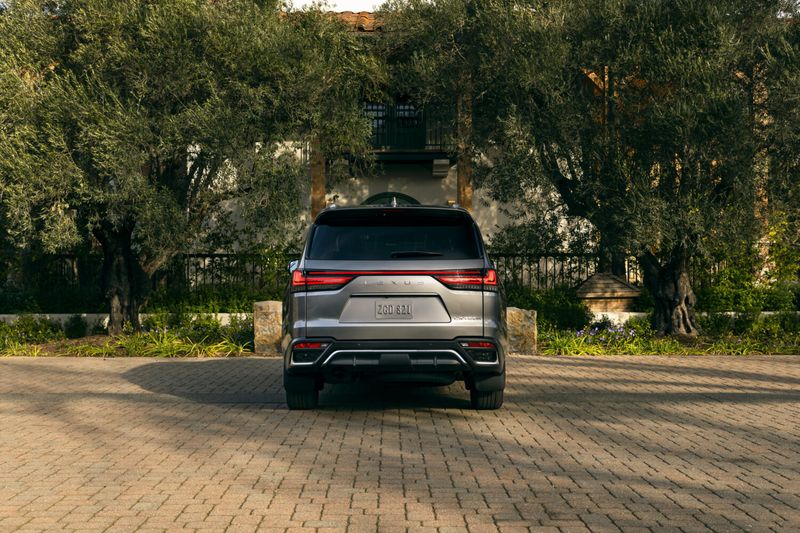
Compared to the GLS and X7, the LX looks more upright. The Escalade and Navigator stretch longer and wider, but neither feels as tidy. The Range Rover remains the style leader, but the LX design has purpose. The hood sits high to clear the hybrid system. The front bumper angles upward to improve approach angles. The rear quarter windows stay large to help visibility. Lexus keeps functional design ahead of fashion.
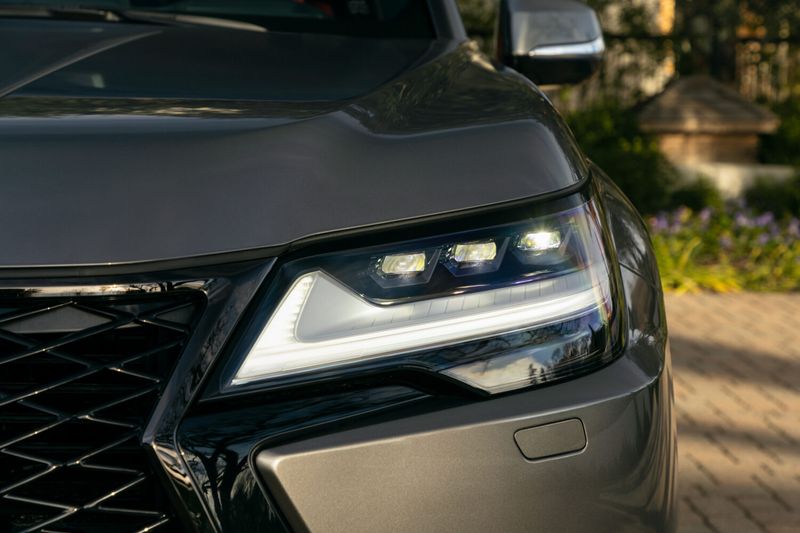
The LX700h improves airflow with subtle changes to the front fascia and underbody panels. These adjustments help fuel economy and reduce wind noise. The design expresses the Lexus goal: quiet strength rather than flash.
Superb performance and driving
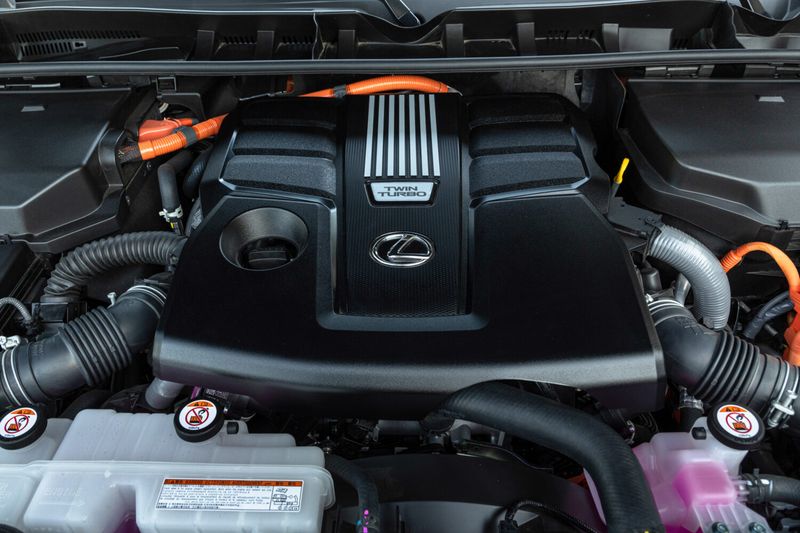
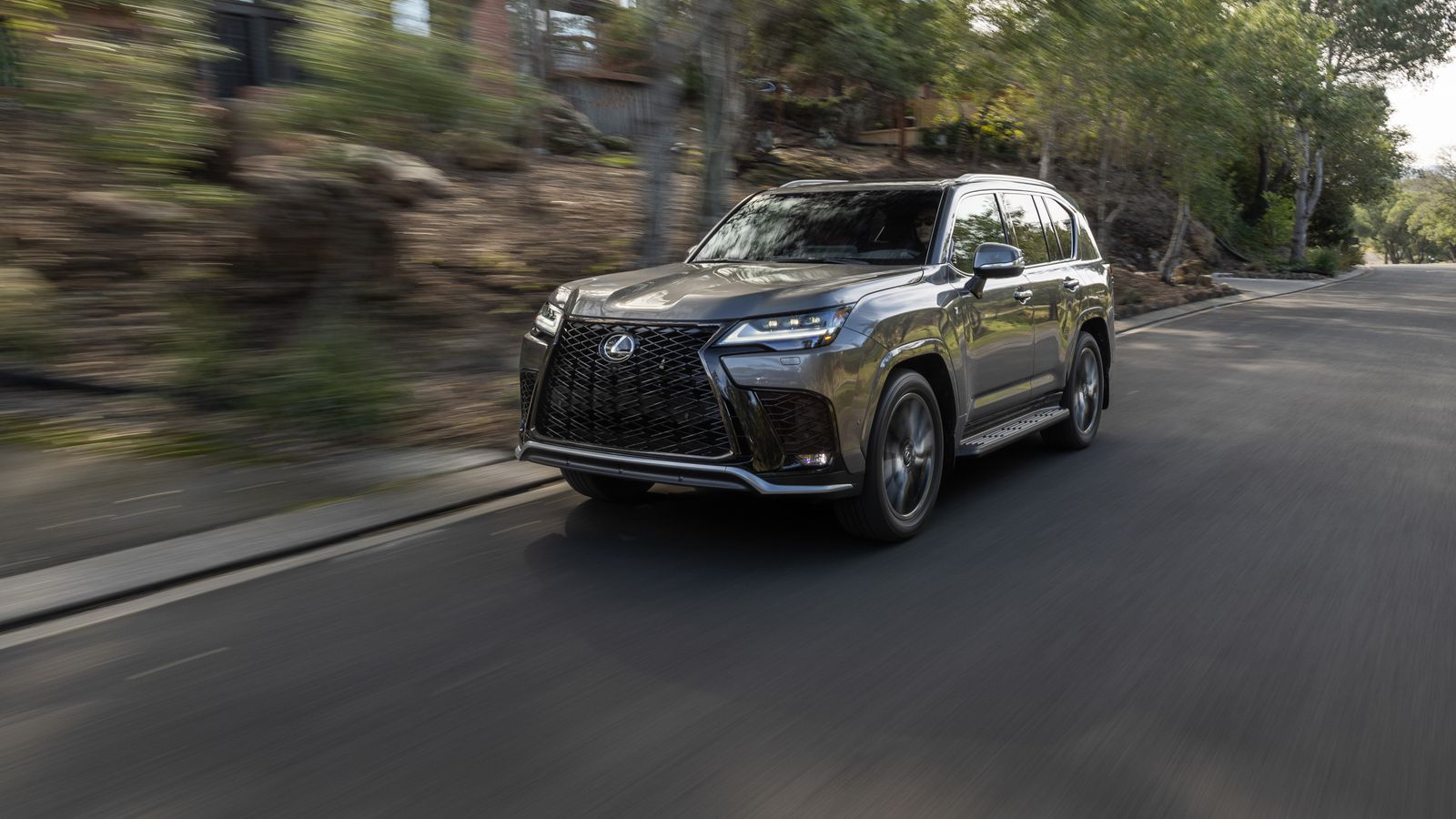
The LX700h uses a 3.4-liter twin-turbo V6 hybrid system that produces 457 horsepower. Power moves through a 10-speed automatic transmission and a full-time four-wheel-drive system. Crawl Control and adaptive variable suspension come standard. The drivetrain feels confident at low speeds and steady at highway pace. Acceleration is quick enough for passing, and the hybrid system fills small gaps in the torque curve.
The LX stayed composed on every surface I tried. On the long, rocky Forest Service road to Little Missouri Falls, the big Lexus swallowed potholes like a kid with a bag of marshmallows. It felt the same as cruising through the church parking lot. The adaptive suspension kept the body steady, and the hybrid system stayed smooth even when the road turned rough. That steadiness carried over to pavement, where the LX held its line without drama and settled into a rhythm that made long drives feel shorter.
The GLS and X7 feel faster, but neither stays as composed. The Escalade V is louder and thirstier. The Navigator rides well but lacks the LX precision. Lexus has a long record of reliable V8 and V6 engines. The hybrid system in the LX700h continues that tradition. It feels smoother than the older LX570 and more efficient than the LX600. Reviewers agree. As Edmunds notes, “The LX delivers a level of refinement that few full-size SUVs can match.”
Interior design, comfort, and technology
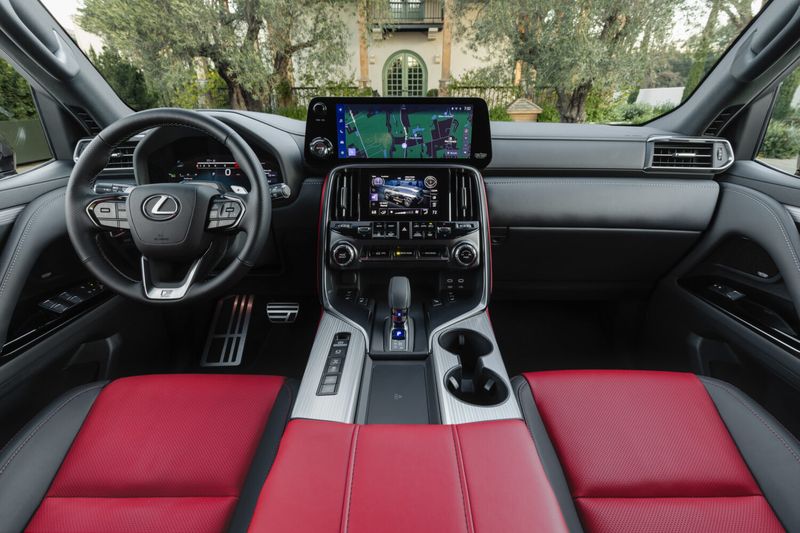
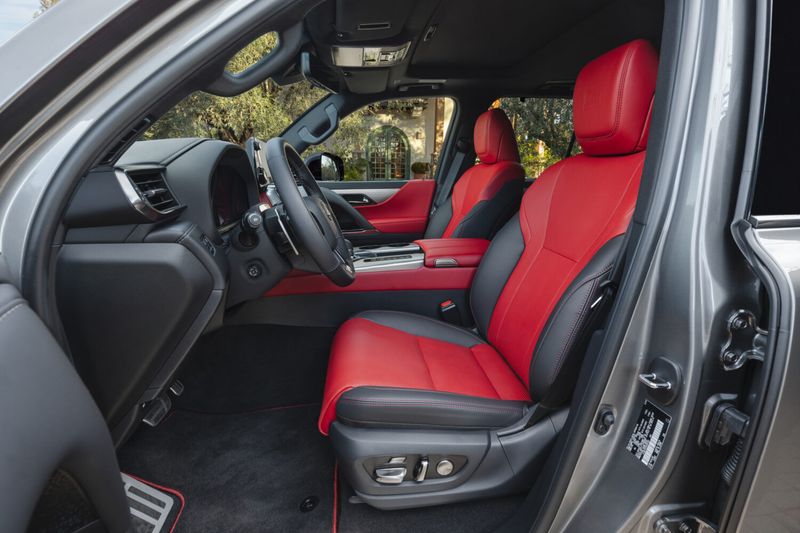
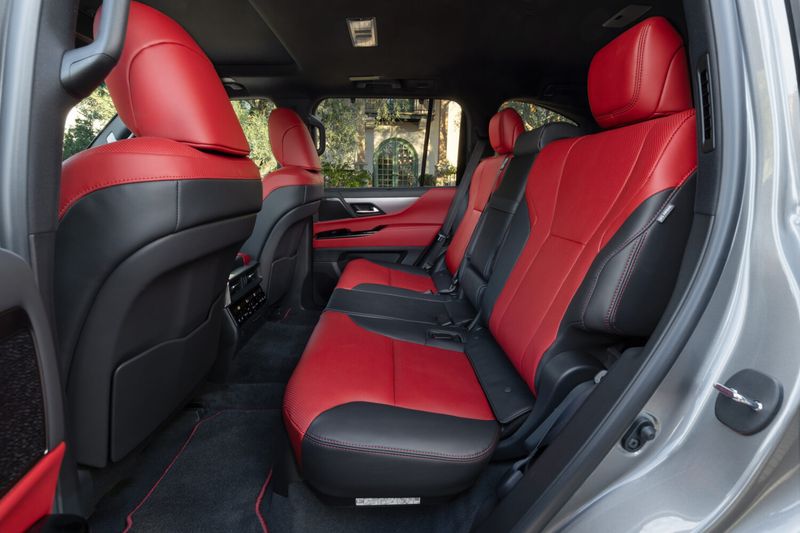
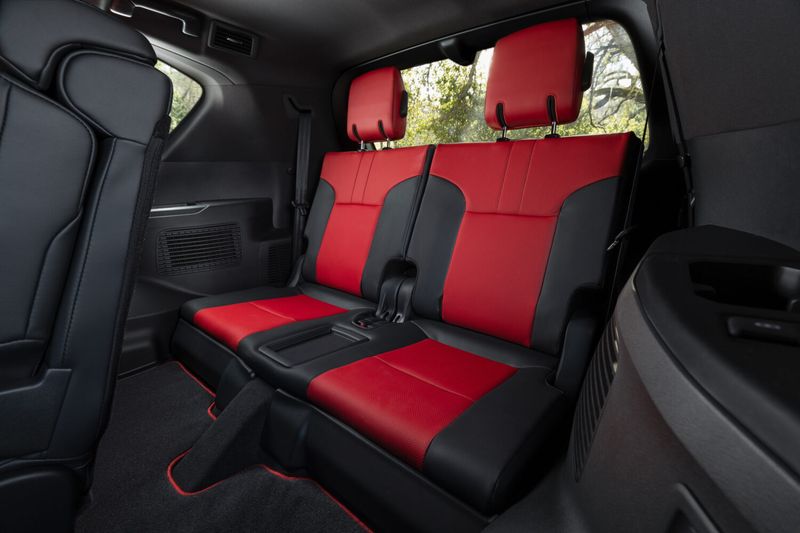
The cabin layout follows the Lexus approach: clear controls, strong materials, and tight build quality. The seats support long drives. The second row has generous legroom, and the third row works for adults on short trips. Cargo space is competitive with the GLS and X7, though the Escalade and Navigator remain the volume leaders.
The LX cabin ambience comes from quiet surfaces and steady lighting. The hybrid system reduces vibration. The suspension keeps the body settled. The climate system moves air gently. Lexus uses technology to support calm rather than to show off. Motor Trend captures this well: “The LX cabin feels like a retreat from the noise of daily life.”
The infotainment system uses a large touchscreen with clear menus. Voice controls respond quickly. Wireless Apple CarPlay and Android Auto come standard. The driver-assistance suite includes adaptive cruise control, lane-keeping, blind-spot monitoring, and automatic emergency braking. The system stays unobtrusive – it guides rather than nags.
Compared to competitors, the LX tech feels simpler. The GLS and X7 offer more features but require more learning. The Escalade screen dominates the cabin. The Navigator system is friendly but slower. Kelley Blue Book sums it up: “Lexus keeps tech intuitive without overwhelming the driver.”
Safety features
Standard safety equipment includes automatic emergency braking, blind-spot monitoring, rear cross-traffic alert, lane-keeping assist, adaptive cruise control, and a full set of airbags. Lexus builds the LX on a strong frame with proven crash-energy management. The LX600 earned high marks from IIHS, and the LX700h uses the same structure. NHTSA ratings are pending, but Lexus history suggests strong results.
Car and Driver notes that “the LX platform has a reputation for durability and crash strength.” The LX700h continues that pattern with added hybrid components and updated software.
Pricing and value
The LX700h starts at $143,801 with delivery. As noted, the only significant option on our test vehicle was a $450 set of cross bars. Lexus keeps the trim structure simple. Buyers choose the LX700h for its hybrid power, standard off-road hardware, and full luxury package.
Competitors offer broader trim ranges. The GLS580 runs from the mid-$100s to well over $160,000 with options. The X7 M60i follows a similar path. The Escalade V and Navigator Black Label cost similar money but burn more fuel. The Range Rover Autobiography can exceed $200,000 with options.
The LX700h value comes from reliability, efficiency, and long-term ownership costs. Lexus resale remains strong. Maintenance stays predictable. The hybrid system reduces fuel expense. For buyers who want quiet strength rather than flash, the LX700h stands alone.
Bottom line
The 2026 Lexus LX700h delivers calm, capability, and efficiency in a segment that often chases drama. It stays composed on rough roads, quiet at highway speed, and steady in daily use. The hybrid system provides strong power and real-world fuel savings. The cabin supports long trips with clear controls and comfortable seats. Safety features come standard. Technology stays intuitive.
This SUV fits families who want luxury without noise. It fits drivers who value reliability and long-term ownership. It fits anyone who wants a vehicle that feels settled no matter the road. In a class full of big personalities, the LX700h offers something better: confidence without fuss.
If you want the most composed full-size luxury SUV on the market, this is the one.