
Car Reviews
Toyota’s Crown Signia: IN FALL, A HYBRID WHISPER

Toyota’s Crown Signia
IN FALL, A HYBRID WHISPER
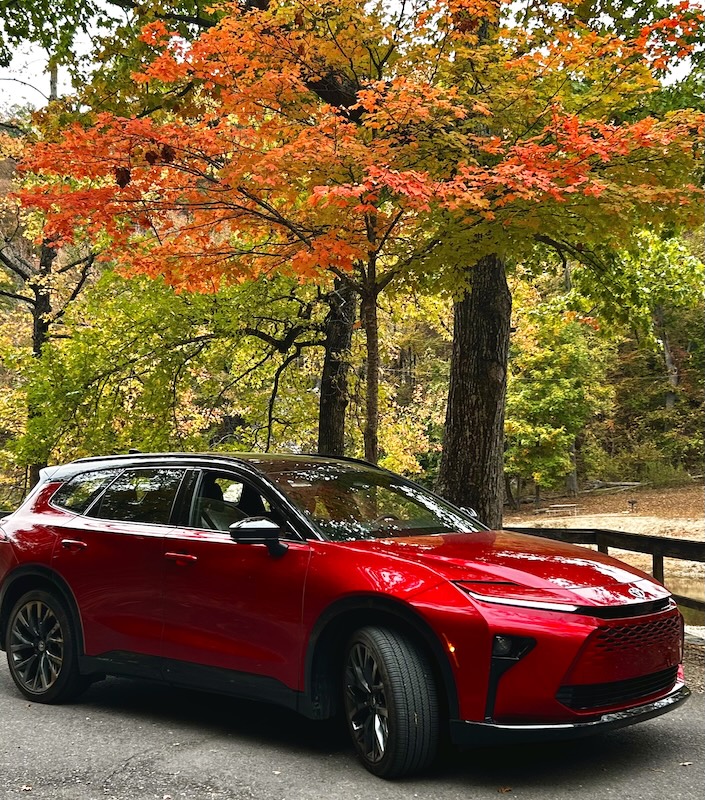
CADDO GAP, Arkansas. – Fall calls, and I must reply. Betting that recent rains had refreshed forests parched by months beneath a heat dome, I headed for the Ouachitas in what proved to be an ideal traveling companion – a 2026 Toyota Crown Signia.
With a fuel-sipping hybrid drivetrain, standard all-wheel drive, modestly increased ground clearance, a large digital display, and an excellent audio system, the Signia promised to bridge two worlds: interstate comfort and back-road exploration.
For once, I was right about everything.
The hills were alive. The journey to them, and through them, was sublime. Not quite as rewarding as the six-mile hike that ultimately carried us into the heart of the autumn woods, but rewarding enough.
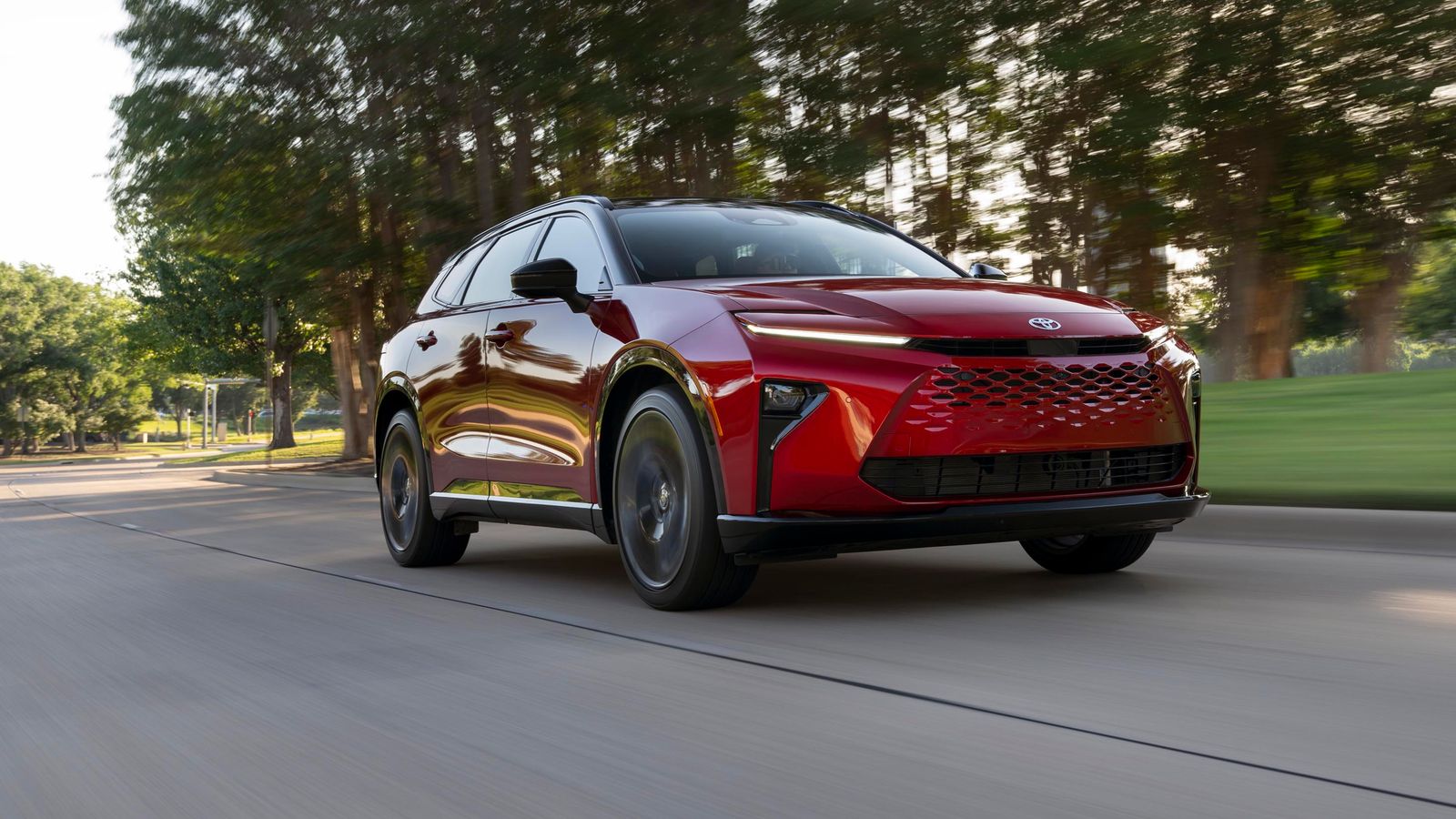
Toyota calls the Crown Signia an SUV. That’s understandable. Americans buy SUVs, not wagons. Yet after several days and several hundred miles behind the wheel, the Signia, selling for around $50,000, feels less like another crossover and more like a modern grand-touring wagon that happens to sit a little higher off the ground.
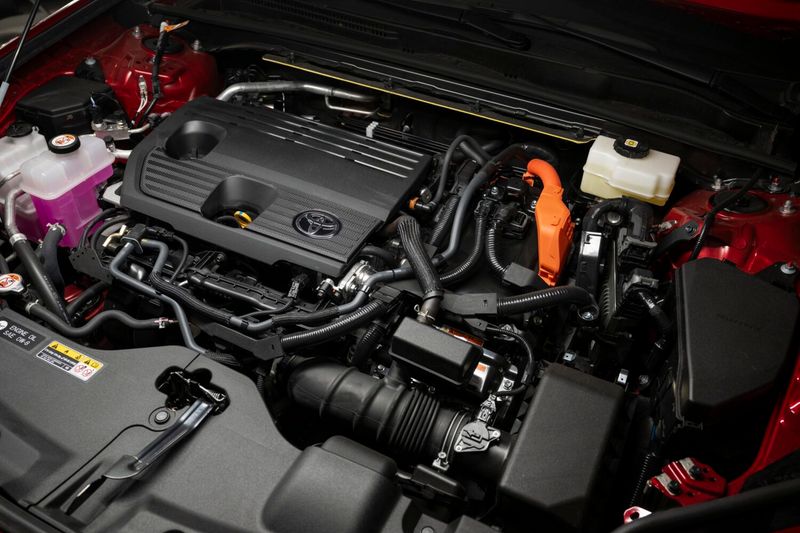
The roofline is lower and sleeker than most midsize utilities. The ride is calmer. The cabin carries itself with a quiet confidence that recalls entry-level luxury vehicles. Every Signia pairs Toyota’s fifth-gen hybrid system with standard all-wheel drive, producing 240 horsepower while returning an EPA-estimated 39 mpg city, 37 mpg highway, and 38 mpg combined. For the week, we got 37.8 mpg, so five gallons gets you nearly 200 miles.
In an era when efficiency often arrives wrapped in compromise, the Crown Signia asks remarkably little of its driver.
A looker in a sea of anonymous crossovers
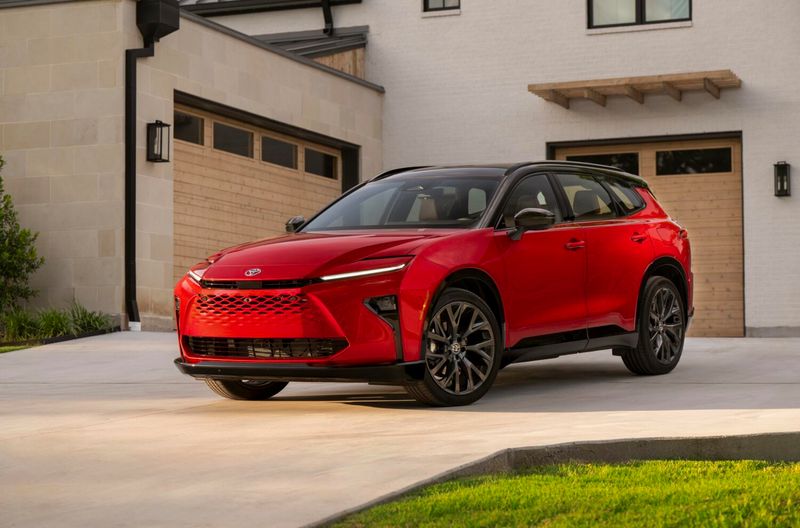
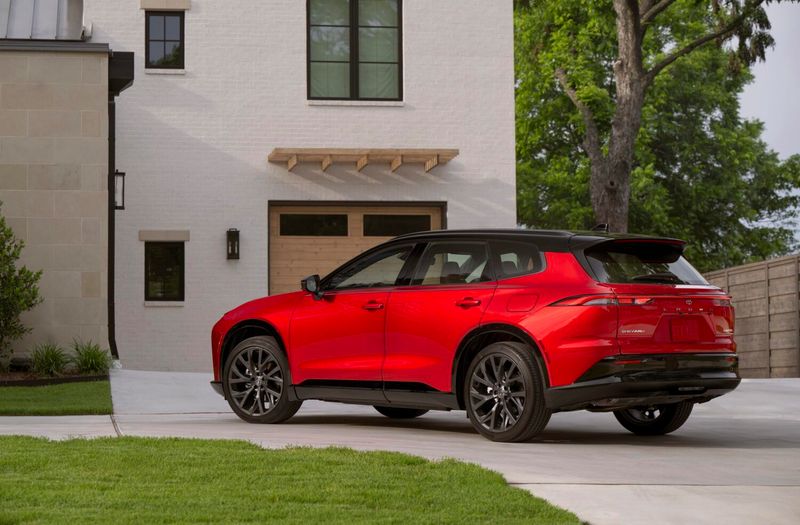
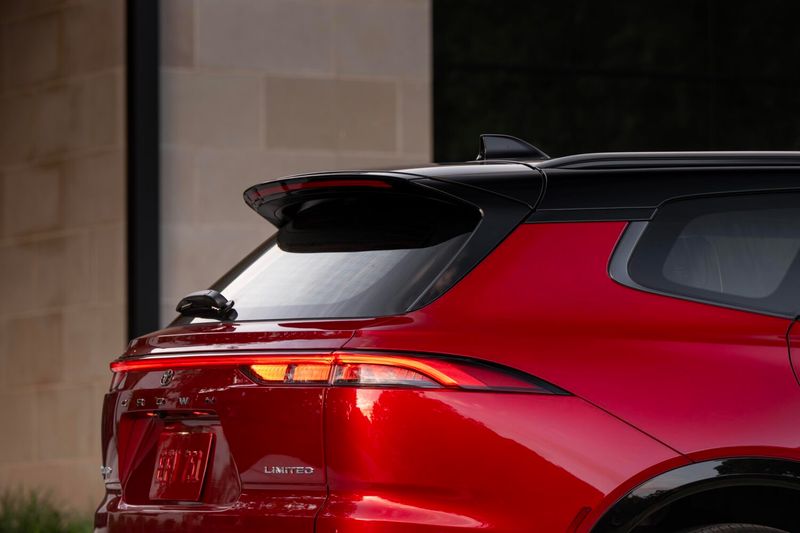
The styling deserves special mention because Toyota resisted the temptation to build another anonymous family hauler.
The Crown Signia is simply handsome.
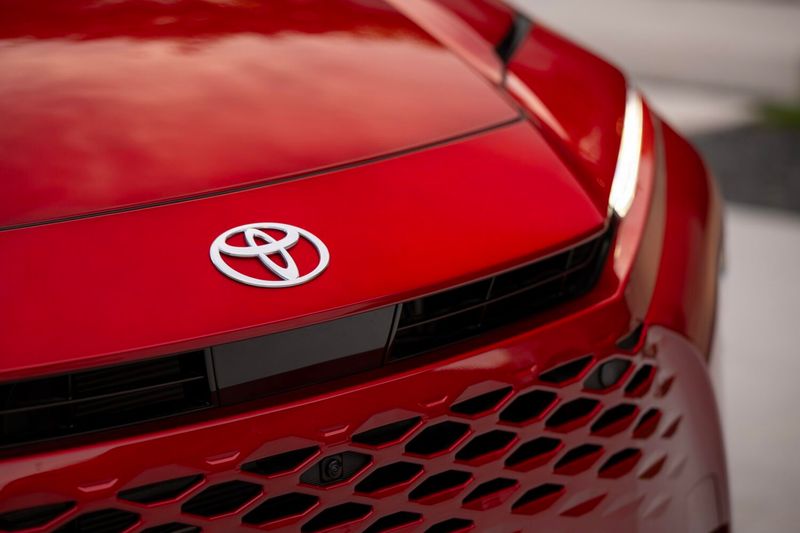
Its long roofline, low stance, pronounced rear haunches and sharply sculpted front fascia give it a presence distinct from the sea of two-box crossovers crowding American roads. Finished in Toyota’s rich red paint, the test vehicle looked particularly striking against the golds, oranges and reds of the Ouachita autumn.
More than once, strangers approached at trailheads and overlooks to ask exactly what it was. That curiosity is part of the Signia’s appeal. It looks expensive without trying too hard to look expensive.

A cabin that punches above its badge
Open the door, and the Lexus comparisons begin to make sense.
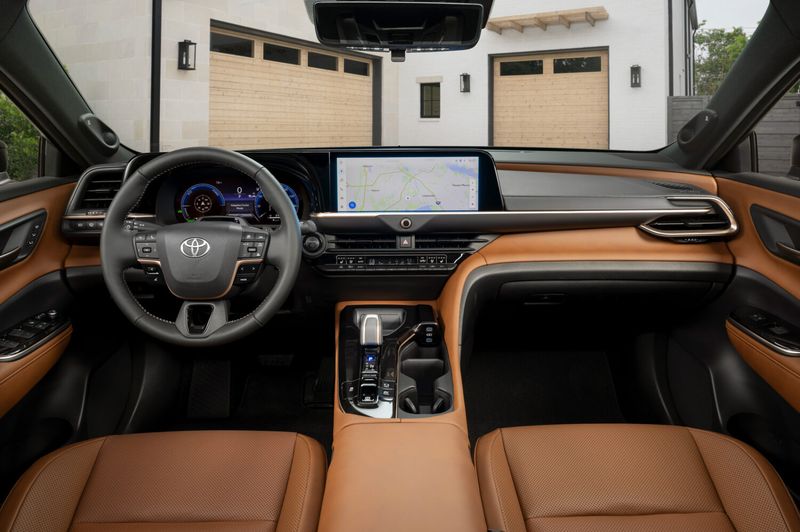
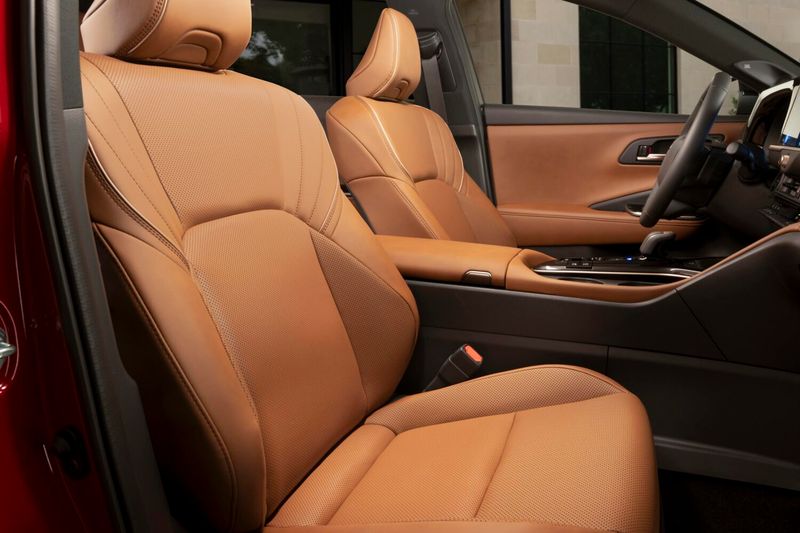
Toyota has assembled one of the most attractive and convincing interiors in its mainstream lineup. Materials feel substantial. Controls operate with satisfying precision. The seats remain comfortable after hours behind the wheel, and road noise is sufficiently suppressed that conversation rarely requires raised voices.
Twin 12.3-inch displays dominate the dashboard, one serving as a digital instrument cluster and the other handling infotainment duties. Just as important, Toyota has resisted the industry’s unfortunate obsession with burying every function inside a touchscreen. Frequently used controls remain available through physical buttons and switches; adjusting is simple, even on winding mountain roads.
The JBL audio system proved an ideal companion for long stretches of Interstate and forest highway alike. Whether delivering bluegrass, classic rock or a favorite podcast, it added an appropriate soundtrack to the scenery beyond the glass.
Cargo space easily accommodated hiking gear, camera equipment, and the assorted necessities that accumulate during a weekend adventure.

Technology that assists rather than intrudes
Toyota’s suite of driver-assistance systems is among the Signia’s most useful features.
Adaptive cruise control, lane-centering assistance, blind-spot monitoring and collision-mitigation technologies work together to reduce workload during long trips.
The Crown Signia is not autonomous, nor does it pretend to be. Despite the industry’s occasional tendency to suggest otherwise, the driver remains very much responsible.
What Toyota has built instead is arguably more useful. Adaptive cruise manages traffic smoothly. Lane-centering reduces fatigue on long highway stretches. Together they lessen the small but persistent demands that can make extended drives tiring.
Think of the system less as an autopilot and more as a competent co-pilot.
By the time we reached the trailhead, I felt noticeably fresher than I typically would after a drive of similar length.
Comfortable on pavement, confident on gravel
The Ouachitas provide an excellent test of a vehicle’s real-world manners.
Smooth highways become patched pavement. Patched pavement gives way to gravel. Gravel occasionally yields to surfaces best described as suggestions of roads.
The Crown Signia handled all of it with composure.
It is not a rock crawler – and doesn’t claim to be one. Yet its combination of all-wheel drive, reasonable ground clearance, and a compliant suspension allowed it to tackle washboards, broken pavement, and rough forest roads with confidence.
The hybrid drivetrain is equally well suited to the task. Power arrives smoothly and predictably. Passing maneuvers require little planning, and the vehicle settles comfortably into a relaxed interstate lope.
Perhaps the greatest compliment I can pay the Signia is this: it encouraged wandering.
Every side road, every ridge line and every promising trailhead seemed worth investigating.
Not without compromise
The Crown Signia’s greatest strength is also its greatest weakness.
In pursuit of quiet competence, Toyota has produced a vehicle that rarely quickens the pulse.
The hybrid powertrain is efficient and adequately quick, but it lacks the effortless surge some buyers may expect in a vehicle approaching $50,000. Under hard acceleration, the continuously variable transmission can make the engine sound busier than the otherwise premium surroundings suggest.
Likewise, the elegant roofline that contributes so much to the vehicle’s appearance modestly compromises cargo flexibility compared with boxier competitors. Steering feel is competent rather than engaging, and drivers seeking mountain-road excitement will find more entertaining alternatives elsewhere.
Competitors such as the Honda CR-V Hybrid, Hyundai Tucson Hybrid and Hyundai Santa Fe Hybrid deliver impressive efficiency at substantially lower prices – one reason Signia is not flying out the doors like Corolla and Camry. Buyers shopping in the Signia’s price range will also encounter premium alternatives such as the Acura RDX and Lexus RX.
Yet none combines the Signia’s particular blend of efficiency, refinement, style and near-luxury comfort in quite the same way.
The verdict
The Crown Signia occupies an unusual place in the market.
It is more luxurious than most Toyotas, more efficient than many luxury vehicles and more stylish than most traditional SUVs. It behaves like a premium touring wagon disguised as a crossover, and that’s precisely what makes it appealing.
As the miles rolled beneath us and autumn color unfolded across the Ouachita Mountains, the Toyota never demanded attention. Instead, it quietly excelled at every task placed before it.
Sometimes excellence arrives wrapped in drama. Sometimes it arrives with 38 mpg, a comfortable seat, an excellent stereo, and the confidence to follow the next road over the ridge.