

Car Reviews
Mazda’s CX-70 2-Row SUV

Mazda’s CX-70 2-Row SUV
ZOOM-ZOOM REACHES ADULTHOOD
WHILE REACHING FOR MORE ADULTS
SHADY LAKE, Ark. — An explosive spring and summer growth of trees throughout Caney Creek Wilderness gives me hope. Unlike the drab, drained display of the past two autumns, rich, verdant hardwoods and vibrant undergrowth tell me this may be a September to remember — a brilliant tapestry with all the variety and richness of a symphony in full timbre.
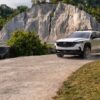
The need to pay attention quickly washed away the reverie of this idle thought. Whipping through the curves on a back road through the Ouachita Mountains, I kept reminding myself that the Mazda CX-70 is not a GT sedan, but a 17-foot family hauler blessed with Zoom-Zoom DNA. The road twisted through summer’s green canopy, still thick from a wet spring, and the CX-70 leaned into each bend with a confidence that felt almost mischievous.
The nimbleness is even more impressive because this is not a small SUV. Some reviewers place the CX-70 against the likes of the RAV4 or CR-V, but its dimensions are decidedly midsize, stretching over 201 inches in length while maintaining crisp handling and robust performance.
It challenges mainstream alternatives like the Honda Passport and Hyundai Santa Fe. Yet, at its upper price range, it bumps directly into entry-level luxury staples like the Lexus RX, BMW X3, and Audi Q5.
Mazda gets away with that because, across the product line, it delivers premium interior materials and craftsmanship. Starting around $42,750 for base models and climbing toward $53,440 for the potent Turbo S Premium, this vehicle bridges the gap between mainstream utility and near-luxury execution.
Competitors at a glance
- Honda Passport ($41,000–$48,000): Strong utility and simple controls, but a less refined cabin and softer handling.
- Hyundai Santa Fe ($35,000–$49,000): Broad trim spread and strong tech, but less engaging on winding roads.
- Lexus RX ($50,000–$63,000): Plush and quiet, but pricier and less athletic.
- BMW X3 ($48,000–$62,000): Sharp handling and premium feel, but a higher cost of entry.
- Audi Q5 ($47,000–$60,000): Balanced and polished, but smaller cargo space and higher maintenance costs.
Crisp lines
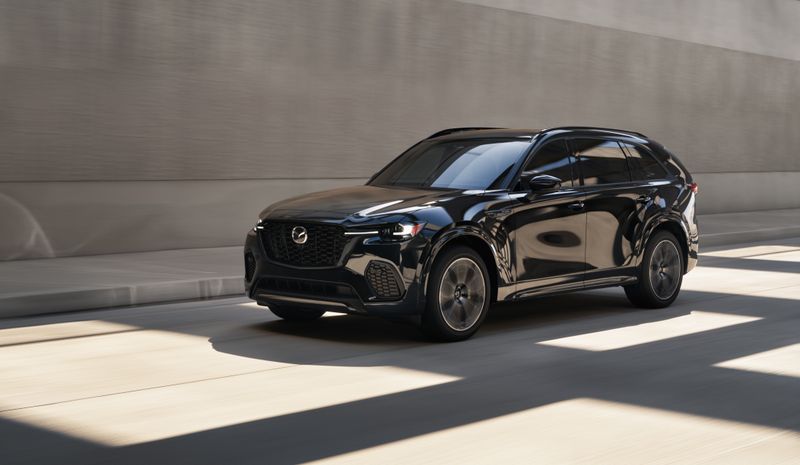
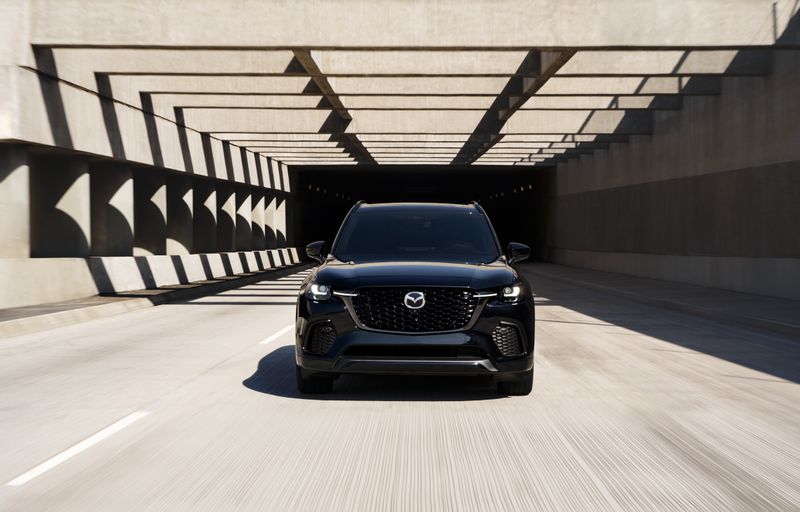
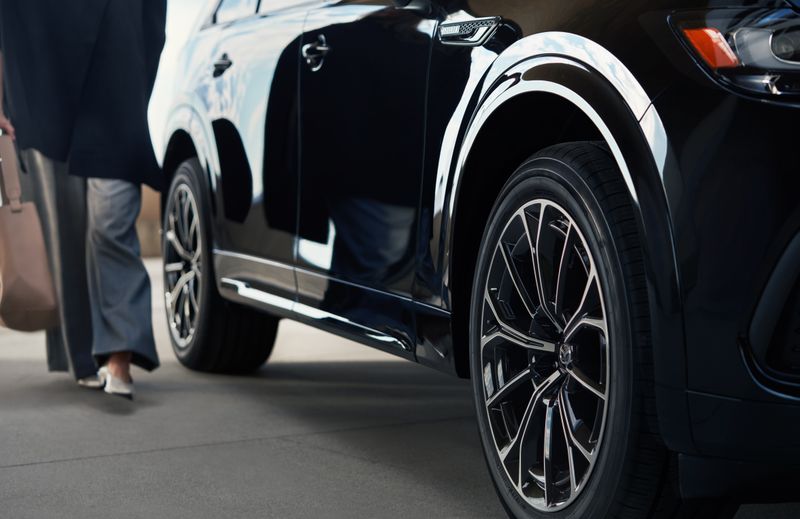
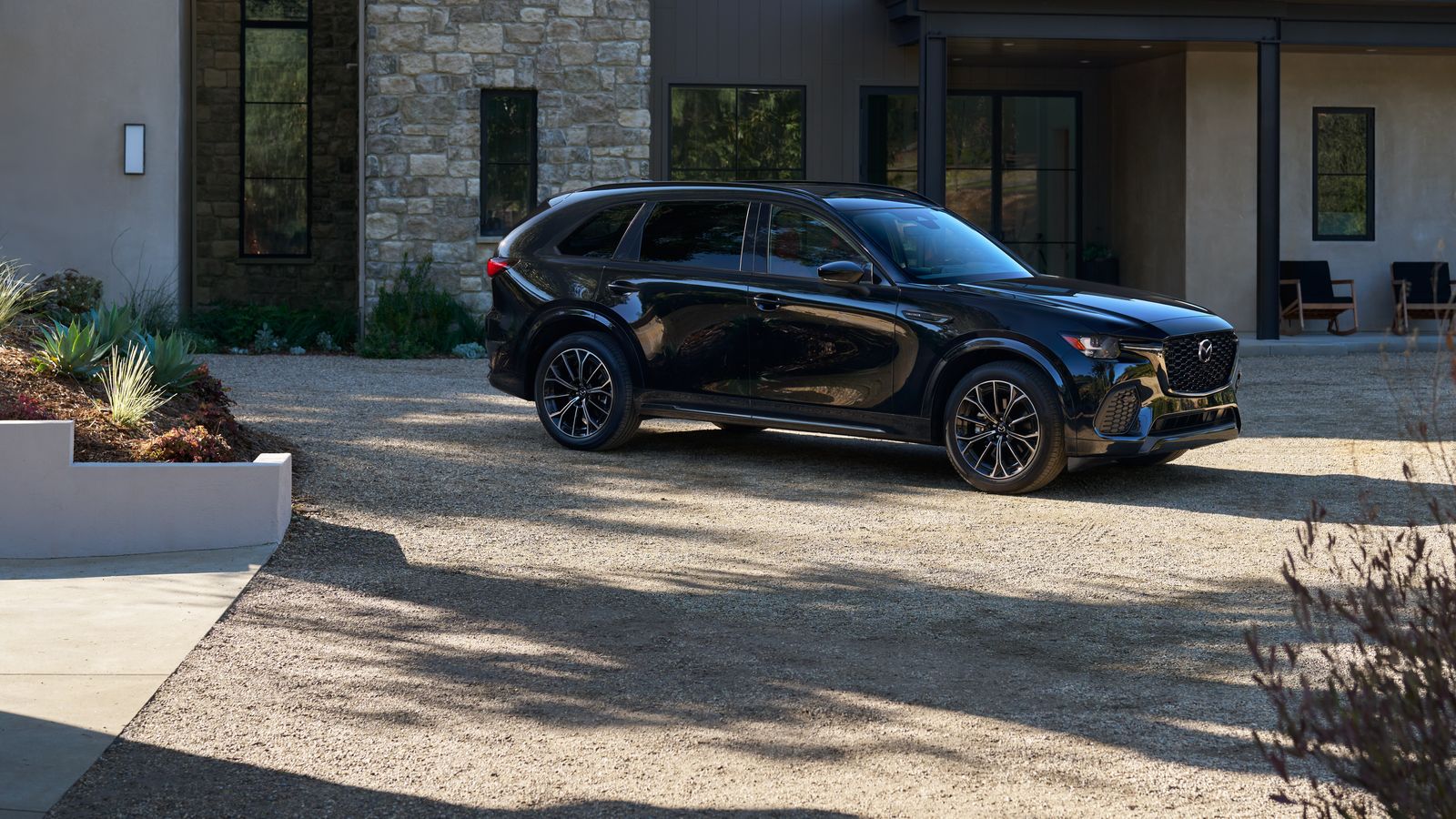
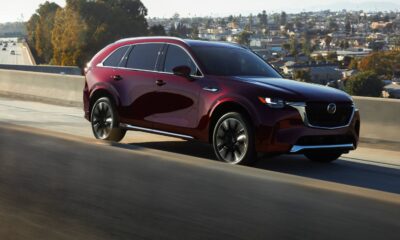
Mazda’s Kodo design language is alive and well here. Clean lines run the length of the body, giving the CX-70 a sense of motion even when parked. A wide signature grille anchors the front, flanked by sharp lighting elements that frame the vehicle’s stance.
At 201.6 inches long with a 122.8-inch wheelbase, it matches the footprint of its three-row sibling, the CX-90. Aerodynamic elements channel airflow smoothly around the wide body, reducing drag at highway speeds and helping fuel economy stay competitive.
Compared to boxy mainstream competitors, the CX-70 looks sleeker and more intentional. Honda’s Passport leans toward upright practicality, while the Santa Fe uses bold angles to stand out.
Mazda takes a different approach, shaping the CX-70 like a long-distance runner rather than a linebacker. Functional design features include wide-opening rear doors, integrated roof rails, and adaptive LED headlights that illuminate dark two-lane roads effectively.
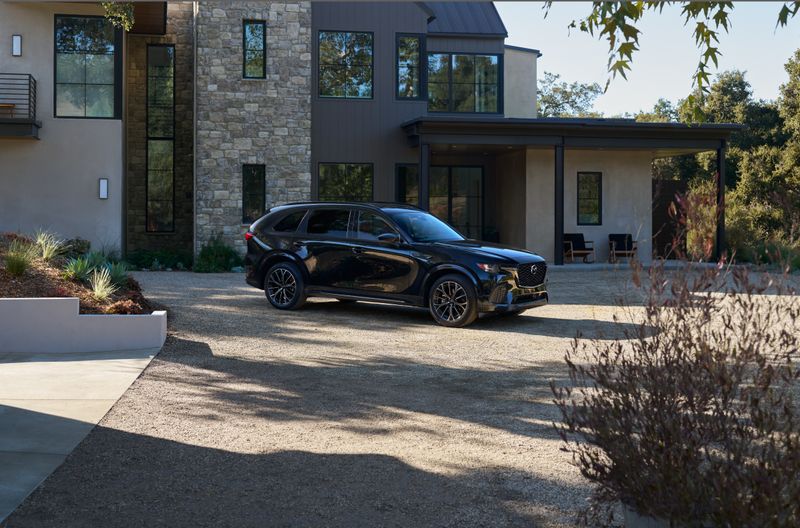
Reviewers note that its exterior stance hides its massive footprint well, making it feel smaller than it is when maneuvering in tight parking lots.
Driving experience
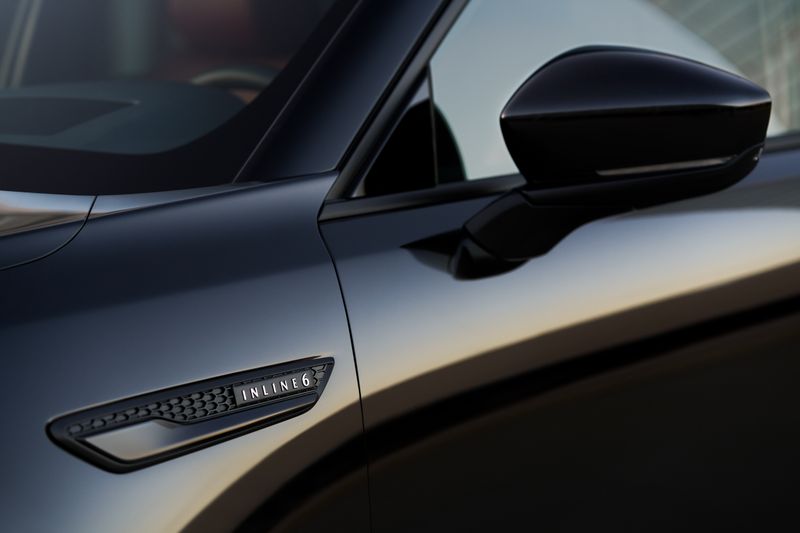
Under the hood, the Turbo S Premium uses a 3.3-liter turbocharged inline-six engine paired with a mild-hybrid system, producing 340 horsepower and 369 lb-ft of torque. An eight-speed automatic transmission distributes power smoothly to all four wheels.
Acceleration from zero to 60 mph takes roughly 6.5 seconds, giving the CX-70 effortless passing power on rural highways. As Car and Driver put it, “Mazda’s inline six engine delivers smooth power and athletic handling that punches well above its price class.”
Handling is still a standout. The suspension absorbs harsh road imperfections while keeping body roll tightly controlled through winding mountain passes.
On the wet, shaded curves near Shady Lake, the CX-70 felt planted and predictable, even when the pavement darkened under thick tree cover. It performs capably during daily city commutes and long highway stretches, though its 8.1 inches of ground clearance limits it to light gravel paths rather than rugged off-road trails.
As an established iteration sharing almost everything with the CX-90 except that model’s 3rd row, its drivetrain benefits from mature engineering. Historic reliability for this inline-six platform has proven stable, avoiding major systemic complaints found in earlier developmental phases. The mild-hybrid system adds smoothness at low speeds and helps fuel economy reach a respectable 25 mpg combined.
Comfortable cabin
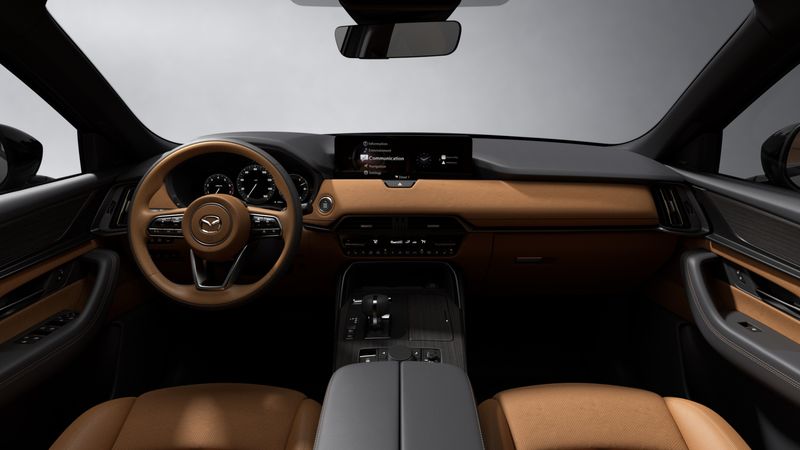
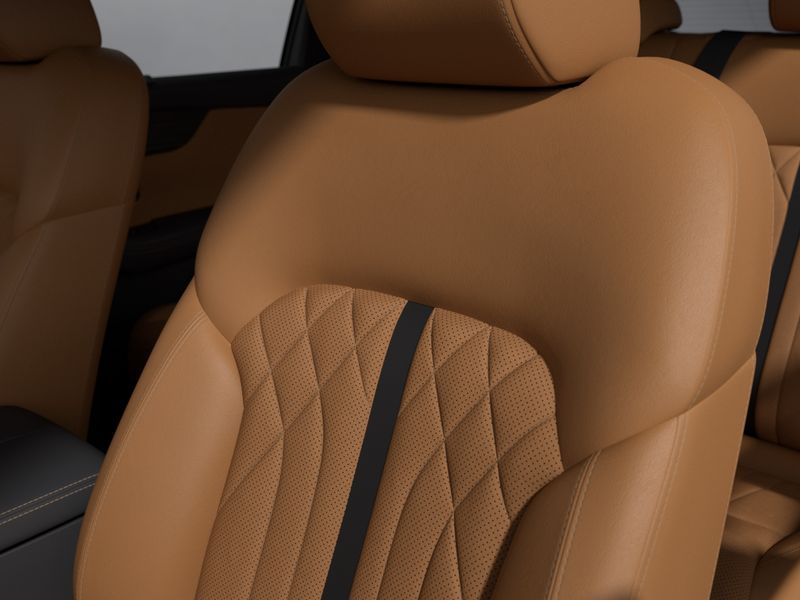
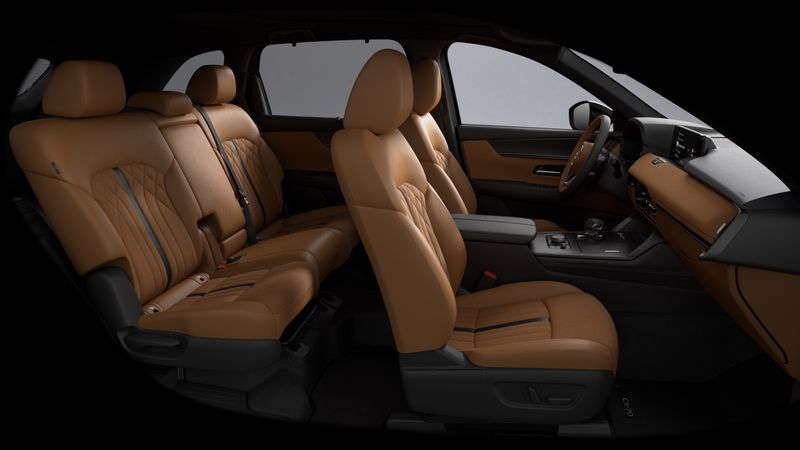
Inside, the cabin of the Turbo S Premium presents an upscale environment featuring Nappa leather seating, contrasting stitching, and intuitive physical controls. Front seats offer heating, ventilation, and extensive power adjustments.
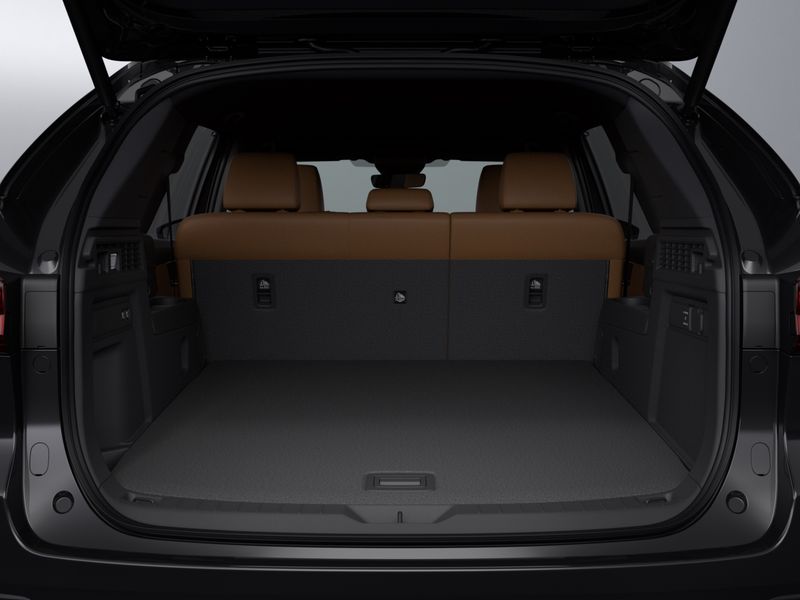
The rear seating row supplies 36.1 inches of legroom, enough for adults on long drives. Cargo capacity reaches 39.6 cubic feet with all seats upright, expanding significantly when folded.
Technology anchors the dashboard via a crisp 12.3-inch central display run through a physical center-console rotary dial rather than pure touchscreen inputs. This design minimizes distraction and keeps eyes closer to the road. Wireless Apple CarPlay, Android Auto, and a powerful Bose audio system come standard on this tier.
The cabin feels intentional: quiet at speed, warm in tone, and shaped for long-distance comfort. As Edmunds notes, “The cabin quality and tactile control layout create an interior ambiance that easily rivals dedicated luxury brands.”
Compared to rivals, the CX-70’s interior materials challenge luxury brands like Lexus, though infotainment controls require a brief learning curve for drivers accustomed to standard touchscreens. The Passport feels more utilitarian, while the Santa Fe leans heavily on screen-based controls. The CX-70 strikes a middle ground, blending physical buttons with digital clarity.
Safety first
Driver-assistance features include adaptive cruise control, lane-keeping assist, blind-spot monitoring, rear cross-traffic alert, and automatic emergency braking. Advanced options include a 360-degree camera system and head-up display.
Mazda’s lane-centering technology works smoothly on marked highways, but it requires active driver engagement. If the system detects hands missing from the steering wheel for longer than five seconds, it issues firm visual and audible warnings demanding manual control.
Safety ratings for the 2026 model are still pending, but as you’d guess, the CX-70 shares structural DNA with the CX-90, which earned top marks from major testing authorities. As Motor Trend summarizes, “Comprehensive safety tech and robust standard driver aids make the CX-70 a secure family transport option.”
Price and value
The 2026 lineup spans multiple tiers, starting with the base 3.3 Turbo Preferred at $42,750. Mid-grade trims hover near $46,000 to $49,000, while the performance-focused Turbo S Premium commands $53,440. The top Turbo S Premium Plus reaches $56,870.
When evaluated against competitors, the Mazda offers a compelling value proposition. While a Honda Passport focuses strictly on utility and a BMW X3 demands a steeper financial investment for equivalent features, the CX-70 balances performance, fuel economy, and luxury touches at a discount compared to European alternatives. As Kelley Blue Book puts it, “The Turbo S trims deliver nearly all the refinement of a true luxury SUV at a significantly lower cost of entry.”
The best value sits in the mid-range Turbo Preferred Plus, which offers impressive performance and most of the desirable tech without reaching luxury-tier pricing. Buyers who want maximum power and cabin refinement will find the Turbo S Premium worth the stretch.
Bottom line
The 2026 Mazda CX-70 Turbo S Premium succeeds in bridging the gap between practical family transportation and athletic near-luxury driving enjoyment. It suits buyers who need midsize interior space and cargo room but refuse to compromise on responsive handling, premium cabin materials, and striking exterior design.
It’s not the right choice for drivers who want rugged off-road capability or touchscreen-only controls, but for anyone who values a lively drive and a refined cabin, it stands near the top of the two-row crossover field.
On the road home from Shady Lake, the CX-70 felt like a willing partner — steady, eager, and tuned for drivers who still enjoy the act of driving. With summer’s vibrant canopy overhead and fall’s colors waiting in the wings, it made even a simple back-road loop feel like a small celebration. Buyers who want a midsize SUV with real personality should place this Mazda near the top of their test-drive list.