
Car Reviews
Hyundai’s Santa Cruz – BASECAMP

Hyundai’s Santa Cruz
BASECAMP
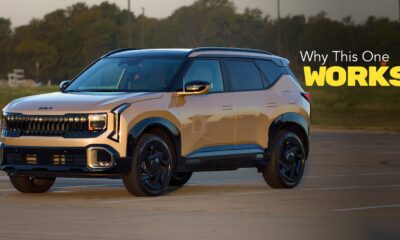
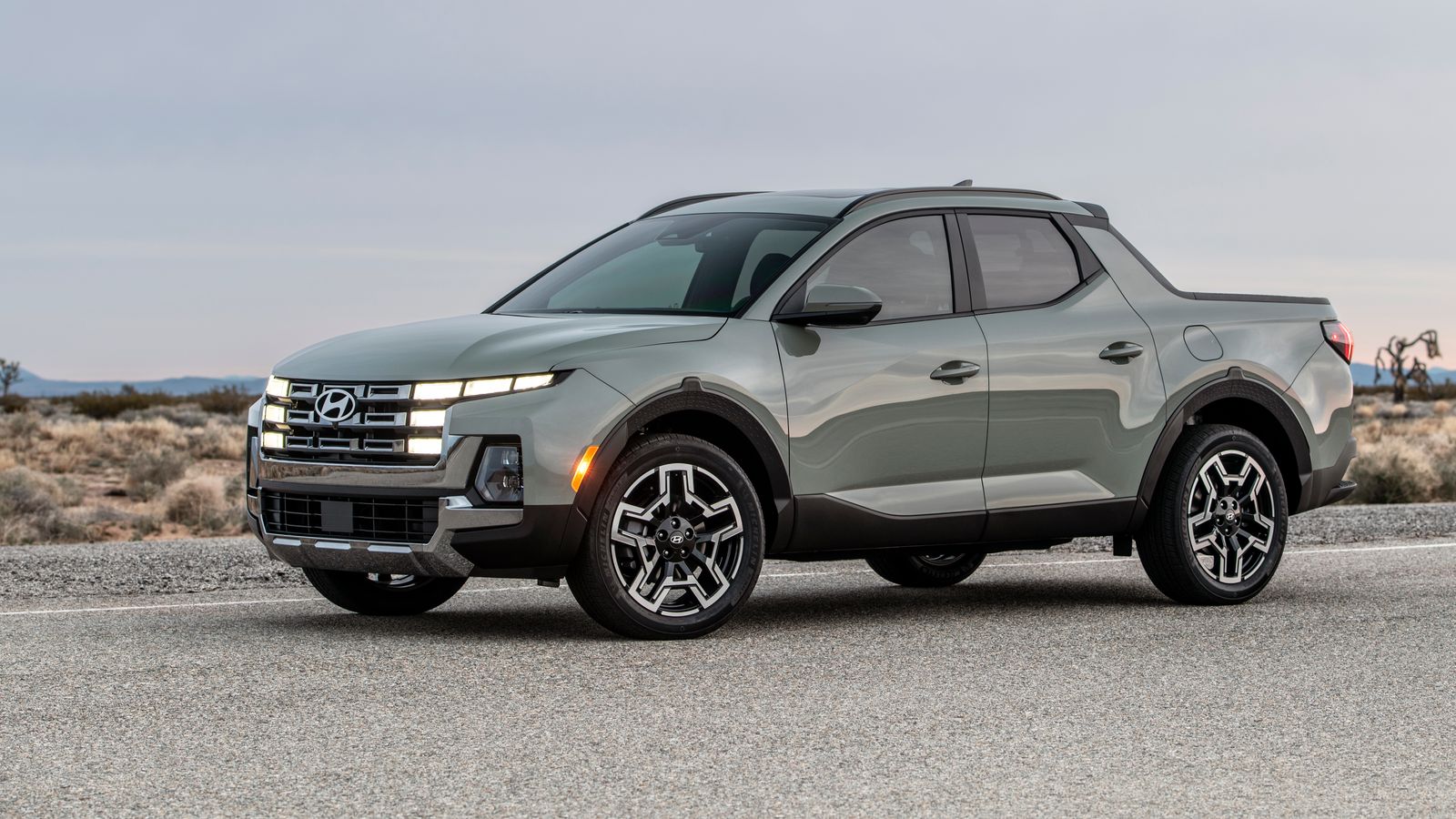
It ain’t easy being different. And yeah, Hyundai’s Santa Cruz is waaaaay different. On its MSRP, the Santa Cruz – categorized by the EPA as a small SUV – is described by Hyundai as ‘bolder, more capable for new adventures’. And if those adventures are limited to the trailhead or tasting tour, the Santa Cruz in its current iteration would nail it. If, however, you use a pickup for hauling and/or towing, you’ll be confused by the small bed of the Santa Cruz and (somewhat) limited towing capability. While charming in a host of ways, the disconnect between the execution of the Santa Cruz and what is typically expected of a pickup is more than a little baffling.
With that, know I like the premise. Hyundai took the unibody structure underpinning the Tucson crossover, retained the four doors but aft of the rear seat gave that platform a 4-foot bed with standard tonneau. It’s a smaller variant of the recipe Honda uses to create the Ridgeline. And while that 4-foot bed necessarily limits you to grabbing mulch at Home Depot, it will take a grille and cooler to the campsite, or stow the dirty stuff you might not want to put in the back of the Tucson. And with its available turbocharged four, it gets you to that far flung destination rather smartly.


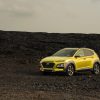
At the curb the Santa Cruz delivers equal parts style and spunk. Regardless of powerplant (a base, normally aspirated 2.5 delivers 191 horsepower, the turbo 281) the stance is mature, and neither variant rides on econobox rubber. Atop a longish wheelbase of 118 inches, the SC’s overall length of almost 196 inches allows for four real doors, in addition to the aforementioned four feet of bed. Curb weight is just over two tons, and MSRP ranges from low $30s to mid-$40s.
Inside, instrumentation and infotainment are merged into a widescreen experience that dominates the dashboard. Most of what you want to actuate is intuitive, and HVAC and audio are distinct from the screen, which I prefer – and, as it turns out, many consumers agree. Seating is comfortable (my testing included a drive from Santa Clarita to a winery’s brunch near Santa Ynez, encompassing some two hours each way), and while it was a solo outing, I’m confident three passengers would have been comfortably accommodated.


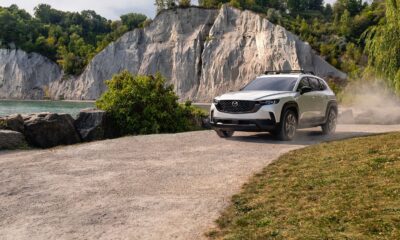
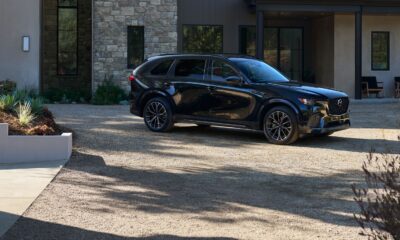
Behind the wheel the steering is direct, but not overly so. And the ride is (again) comfortable, while the Santa Cruz’ handling is composed. Coming from Mazda’s CX-50 Turbo the previous week, the Santa Cruz is actually a tad more compliant from a ride standpoint, while less precise in its handling, less visceral in its performance. But Car and Driver reached 60 in just six seconds, a tad faster than you’ll arrive in the Mazda. Both can net you tickets and, if not a fully developed adult, both can land you in jail.
And like the CX-50 Turbo, the Santa Cruz is less-than-stellar in its efficiency. The EPA estimate is 18 City/25 Highway/20 Combined, and I’d have little reason to doubt those numbers. However, Car and Driver subjected the Hyundai pickup to its 75 miles per hour loop and netted 30, which – at about $5/gallon (over $6 in California) – is a big win. But there’s no hybrid available for the Santa Cruz, and at this point in its development cycle we shouldn’t expect one.
And here’s the update on that development cycle: Recent reporting suggests the Santa Cruz will have but one generation, with no direct replacement scheduled after this 1st-gen has done all it’s gonna’ do. Plans call for a body-on-frame midsize pickup toward the end of this decade, and that’s fine…but hell, everyone builds one of those. Only Hyundai takes a well-received crossover and gives it a bed.
But then, they’ve made their bed. And if you’re under four feet, well hell…you can sleep in it!