


Car Reviews
2027 Range Rover Sport SE P530: VANITY FARE

2027 Range Rover Sport SE P530
VANITY FARE
At the time of the Range Rover launch in 1970, there was only the original Land Rover (with its post-WWII design still obvious), and the then-new stablemate, known simply as Range Rover. (There was – at that time – no Range Rover Sport.) Given the minimalistic design of the Range Rover, they were all ‘Sport’, with – in the beginning – only two doors, a curb weight of under 4,000 pounds, and an interior you could hose out. It was a significant step up in comfort relative to the original Land Rover, along with a real improvement in utility. Twenty-plus years after its 2004 launch, Land Rover’s Range Rover Sport is almost a foot longer that the inaugural Range Rover (comparing 4-doors to 4-doors) and 1,500 pounds heavier. Sport is a handy descriptive, but perhaps more relevant to those watching a soccer game than those kicking the ball around!
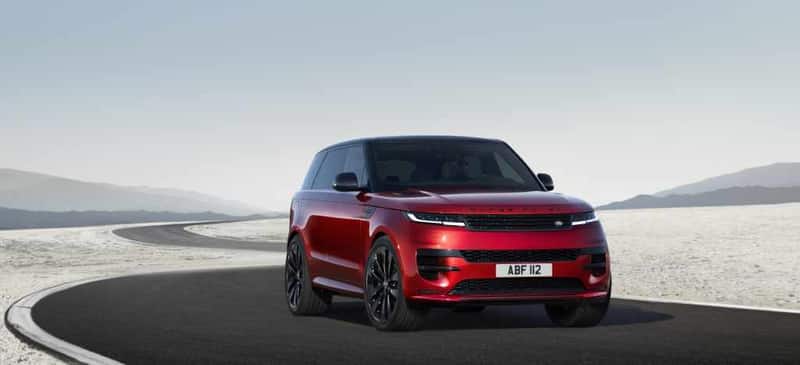
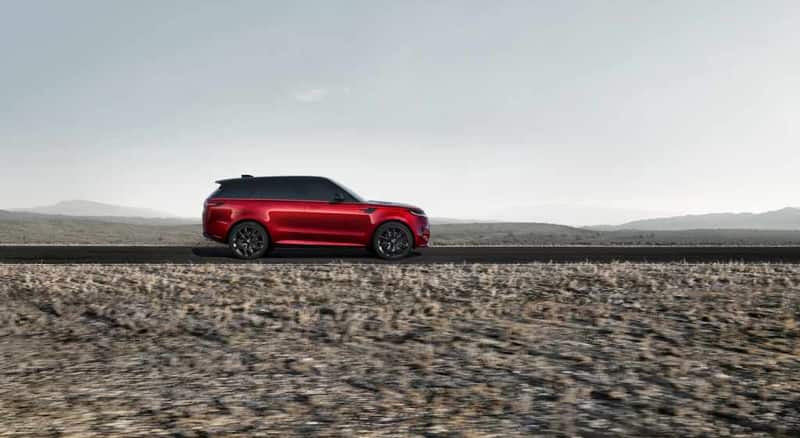
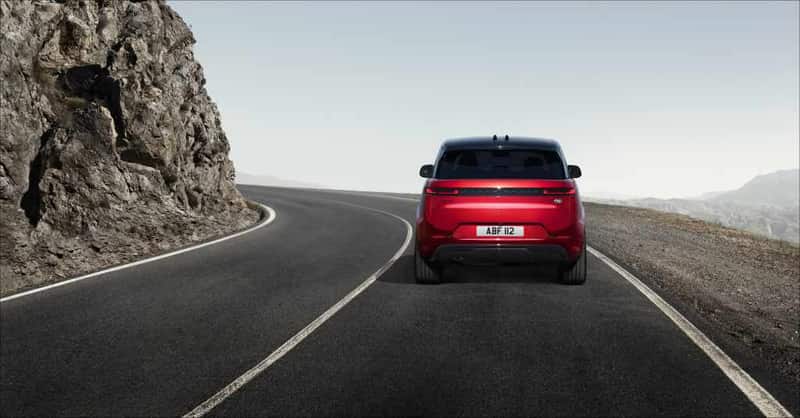
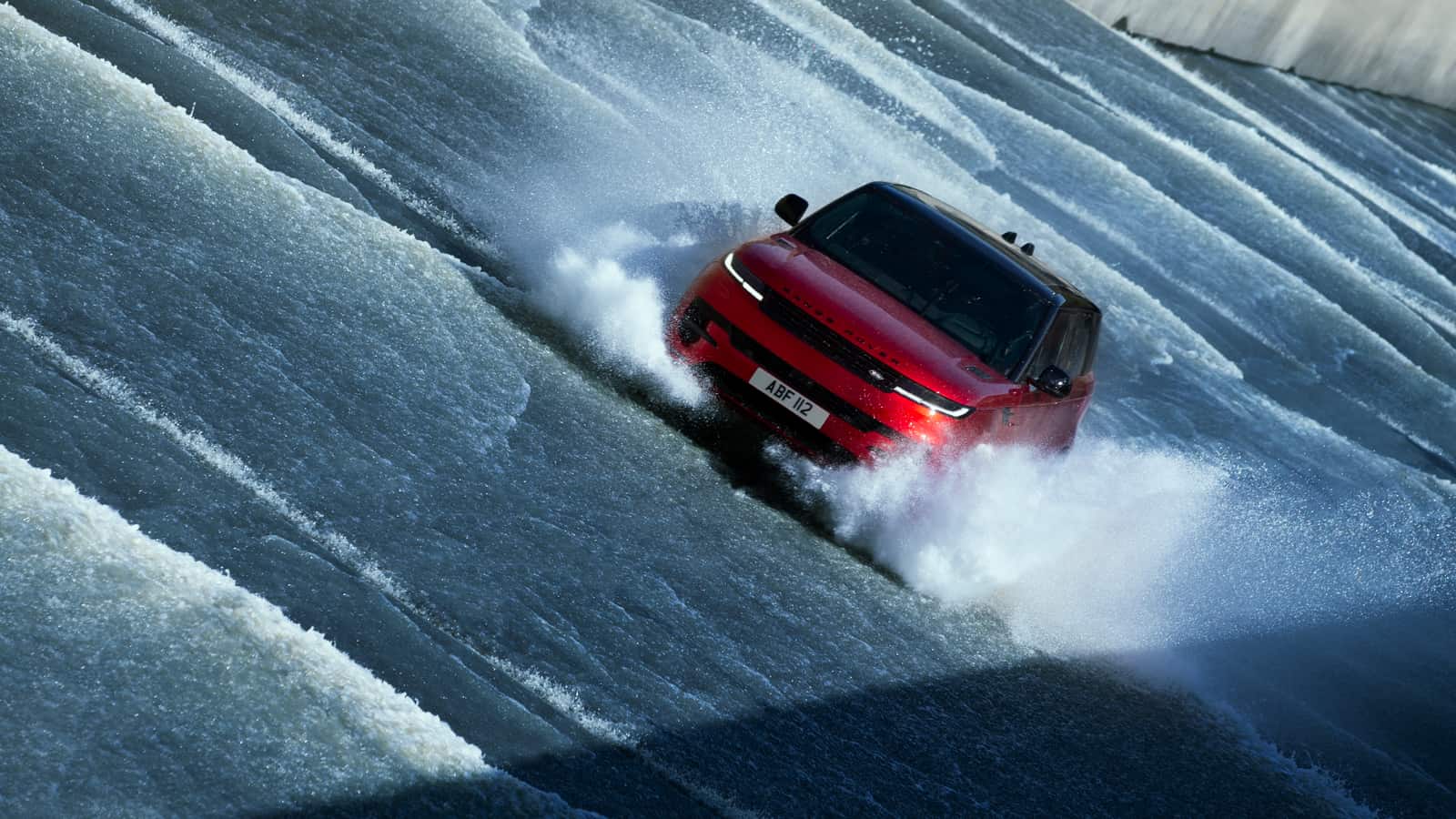
As one of the most imitated two-box SUVs, any Range Rover is recognizable by a vast swath of the U.S. population, and the newest Sport is no different. More organically drawn that the original in 2004, and perhaps – at least visually – less light on its feet, the 2027 Range Rover Sport conveys a real presence on the driveway, at the trailhead or – where it’s most frequently seen – at the valet drop-off. The architecture remains fully upright, boasts a greenhouse that comes closer to ‘house’ than ADU, and all 5,400 pounds is planted on Pirelli Scorpion all-seasons, tires fully appropriate to an on-road mission.
To its credit, the design team avoided most of the affectation you’ll see on some of those imitators, although faux vents on the Sport’s hood and fenders wouldn’t be missed. Everything here is modern in the best sense, and no one – thankfully – has tapped into the Lego design ethos for front fascia or ornamentation. The exterior color – Ostuni Pearl White – is an attractive choice and incorporated in the Sport’s $103,700 base, but some of the darker choices would do a better job of disguising the SUV’s mass. It is – at this point in its evolution – a bit of a hunk, leaning more toward Andrew than Harry.
Behind the wheel, however, the suspension does a viable job of disguising that mass. In fact, when comparing its behind-the-wheel demeanor to that of our ’25 Grand Cherokee (which, admittedly, has an MSRP half that of the Range Rover Sport), the Brit is much lighter on its feet, giving the driver a real point-and-shoot capability. And with its relatively high hip point and generous greenhouse, you can actually see where you’re pointing!
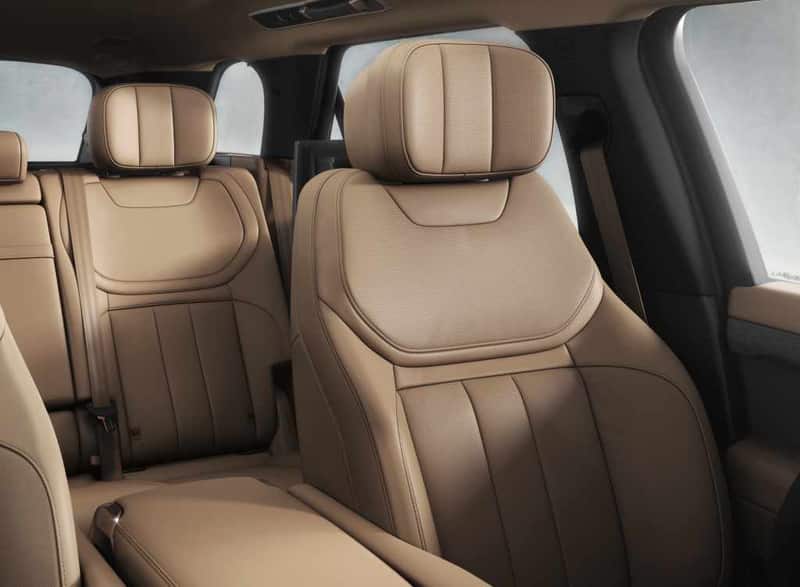
The interior impresses as that of a six-figure, luxury SUV. The buckets are generous in dimension and comfortably appointed, while touch points are substantive. I especially liked the fabric gracing the door panels, while actively disliked the Range Rover Sport’s 13.1-inch infotainment screen. There’s entirely too much guessing, and while I might have consulted the owner’s manual, I’ll guess (again) that it was stored in the glovebox – and I have no idea how that glovebox is accessed. I’d hope that if I buy it someone – the Range Rover ‘genius’? – will show me…
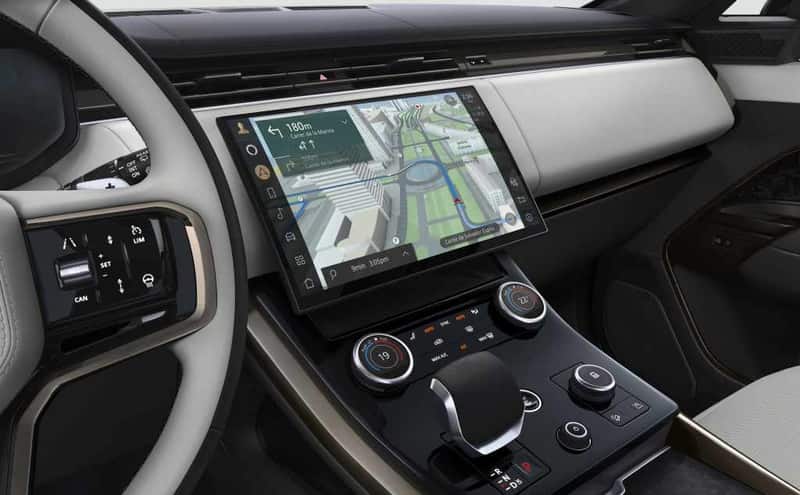
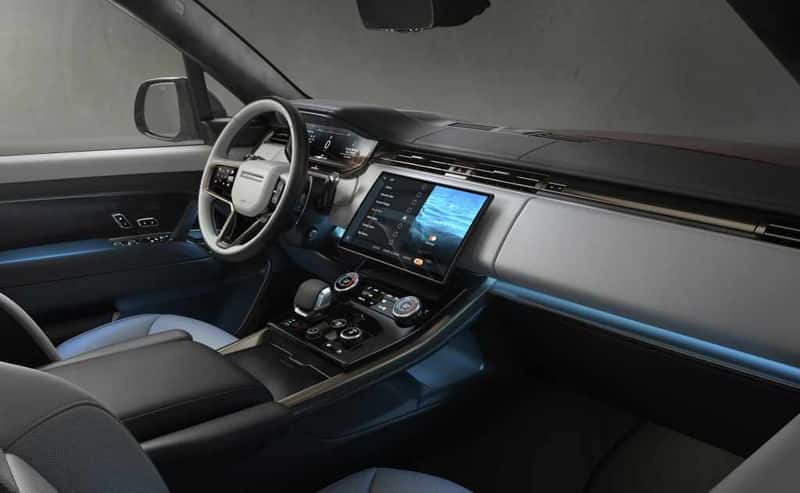
Under the hood Range Rover provides plenty of choices. The base powerplant is a 3.0 liter inline six offering supercharging and turbocharging; the end result is 355 horsepower or an available bump to 395. Our test ‘Sport’ came with the most sporting, a 4.4 liter twin turbo V8 delivering 523 horsepower and propelling the Range Rover Sport two-and-a-half tons with the expected alacrity. To paraphrase British pop star Peter Noone, ‘there’s a kind of rush…all over the world’.
For those that care, our Environmental Protection Agency predicts you’ll achieve 16 miles per gallon in the city, 21 on the motorway and a combined 18 if traveling from Buckingham Palace to Balmoral.
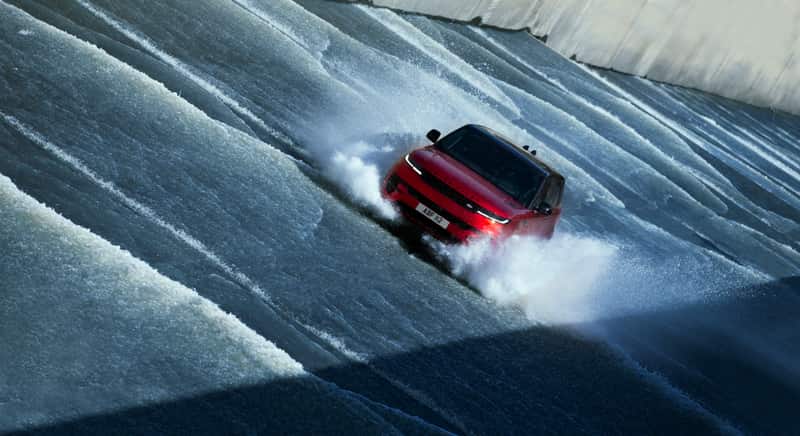
The beauty of Range Rover is its adaptability to virtually any environ. With that, I’m not sure I’d deploy the Range Rover Sport’s 195 inches of overall length or the aforementioned 5,500 pounds on technical trails, nor would I go boulder hopping. If that’s your need, the Land Rover Defender is the better choice.
And there, for me, is the rub. Add $10K to the $105K MSRP of our Range Rover Sport and you can enter the rarified atmosphere of a full-tilt Range Rover. Or you could opt for the slightly smaller – and more nimble – Range Rover Velar and be in for $70K. The Range Rover Sport would seem to occupy a no-man’s land within the Range Rover hierarchy.
But then, to channel Sir John Lennon, perhaps you’re a Nowhere Man.