



Car Reviews
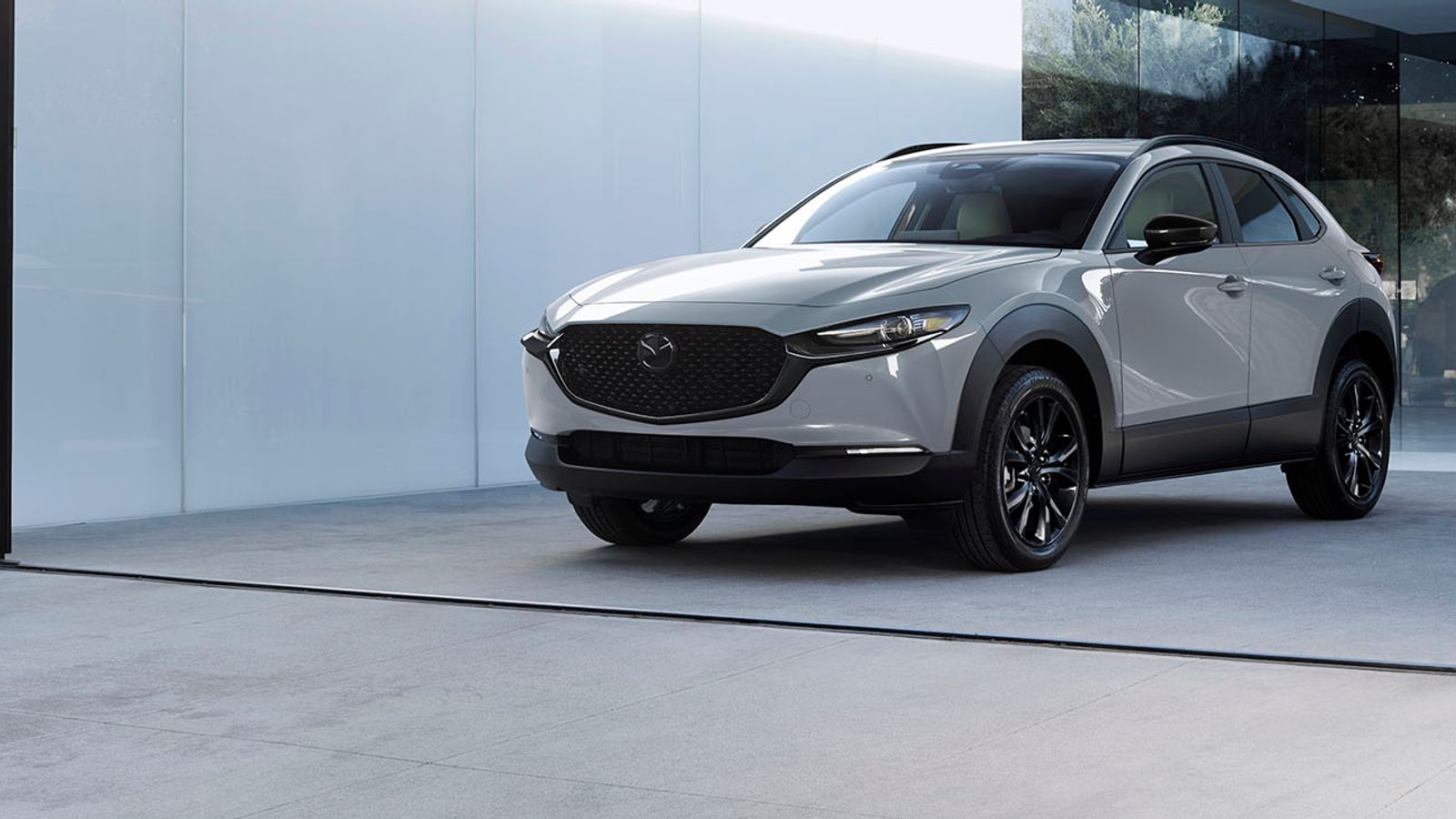
Mazda’s CX-30 Turbo – CROSS PURPOSES

Mazda’s CX-30 Turbo
CROSS PURPOSES
Small Rocket Meets Changing World
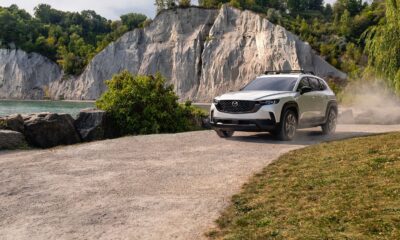
UMPIRE, Ark. — Flying down the only straight section in five miles, I topped the rise and saw the familiar bridge that flies high above the river, leading into the sharp left-right that marks the start of the Cossatot River Corridor, a 12-mile stretch of trails through a dramatic gorge that could pass for a Western movie set.
I eased off the throttle, tapped the shifter down to fifth, then fourth, and finally let the little Mazda settle into third. The 2026 CX-30’s torque-vectoring all-wheel drive did what it does, pulling the car through the curve with a kind of eager precision that feels increasingly rare in a world of tall, numb crossovers.
I never came close to the electronically limited 127 miles an hour. The river was just ahead, and instinct told me to start driving like I had sense. Years ago, an Arkansas State Police trooper suggested the same, and it still resonates.
Still — Zoom-Zoom. Mazda continues to build near-luxury cars at middle-class prices, machines that honor a heritage of lively performance and lithe handling. A day in the Ouachitas with one of them is a reminder that heaven, for those who seek it, lives in the right here, right now.
Cabin and character
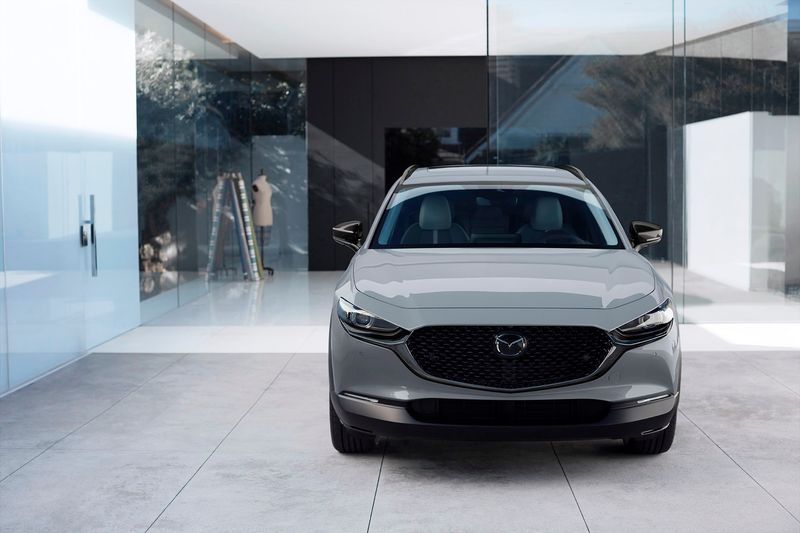
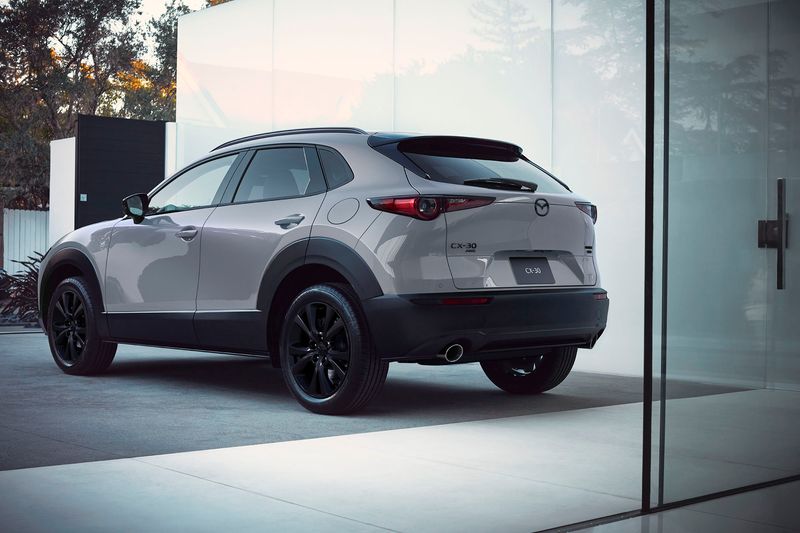
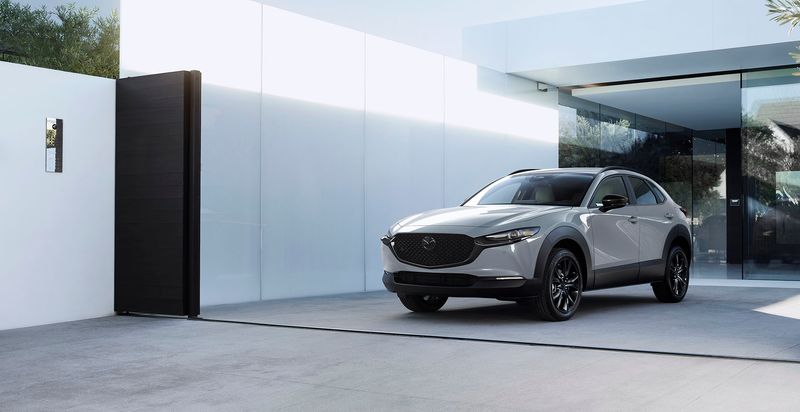
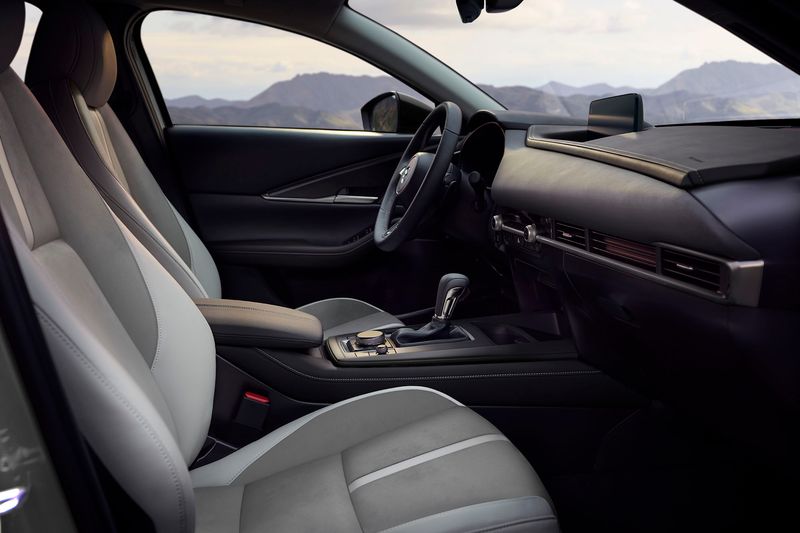
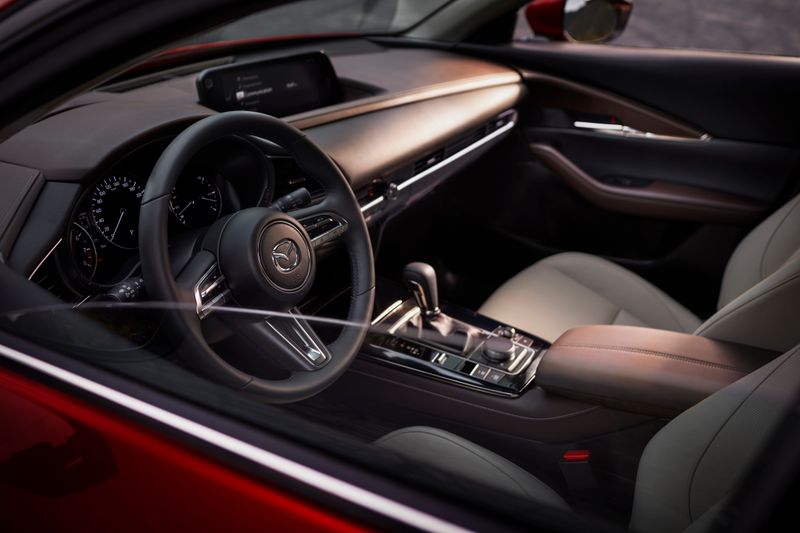
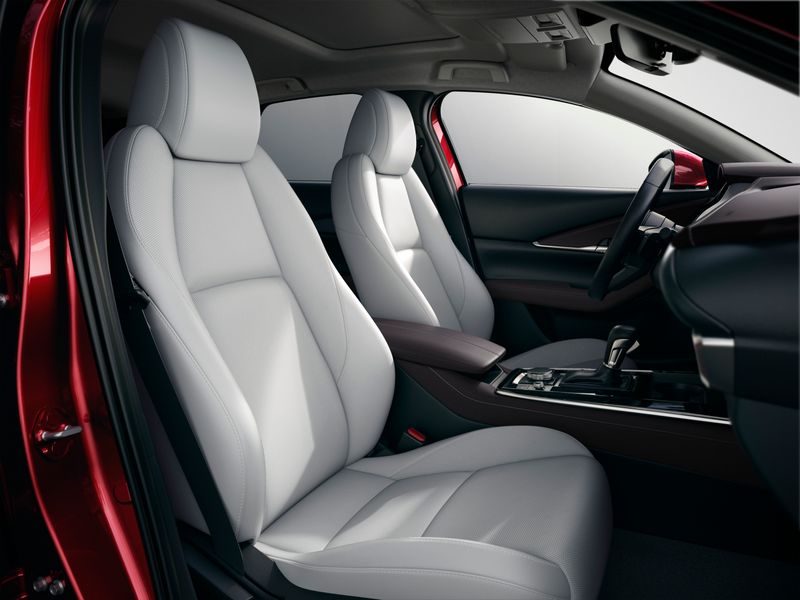
Mazda’s interiors have long punched above their weight, and the CX-30 remains the company’s most distilled expression of that philosophy. The cabin feels carved rather than assembled, with a coherence that eludes competitors. Materials are soft where hands fall, stitching is tight, and the layout avoids the visual clutter that has overtaken so many dashboards.
The seating position is low for a crossover, hatchback-like, and the steering wheel feels alive in your hands. Mazda still tunes for the driver first, and the CX-30’s cockpit reflects that priority. Rear passengers fare less well. The back seat is tight, and cargo space trails the class. Families who measure vehicles by cubic feet rather than steering feel will find more comfort elsewhere.
Living with the tech
Reviewers criticize the infotainment system’s center-console control wheel, calling it fussy or outdated in a world where touchscreens have become the default. But a little acclimation goes a long way. After an hour in the hills, I found the wheel intuitive for navigating on-screen controls, especially in my chosen music app, Spotify. Listening to an audiobook, a quick twist and tap let me back it up a minute or so and listen again because, as Blonde Bride can attest, my attention tends to wander. What was I saying?
Mazda still believes eyes belong on the road, not on a glowing slab of glass, and the wheel encourages that discipline. On the descent toward the Cossatot River, where the pavement ripples and the shadows flicker, the ability to adjust audio without hunting for icons felt less like nostalgia and more like superior design.
On the road
Mazda’s chassis engineers remain among the best in the business, and the CX-30 shows their work. Steering is crisp without being twitchy, and the car rotates willingly through corners. The torque-vectoring system subtly trims power to help the car settle, and the all-wheel-drive system is tuned for balance rather than brute traction.
The turbocharged 2.5-liter engine delivers its strength in the midrange, pulling with a confidence that belies the car’s size. It is not a high-revving engine, nor does it pretend to be. Instead, it offers a broad plateau of usable power that makes two-lane passing easy and mountain driving satisfying. It is, however, growly under load.
The six-speed automatic, old-fashioned by modern standards, shifts cleanly but prefers efficiency over aggression. Ride quality is firm, especially on rough pavement. Mazda has chosen control over softness, and the CX-30 communicates the road’s texture with honesty.
Strengths and weaknesses
Strengths
- Premium cabin quality
- Lively steering and chassis balance
- Strong turbo midrange power
- All-wheel drive standard on turbo models
- Near-luxury feel at a middle-class price
Weaknesses
- Tight rear seat and modest cargo space
- Firm ride
- Dated six-speed automatic
- Below-average fuel economy
- Infotainment learning curve
Efficiency and the competition
Here the CX-30’s charm meets the modern market’s reality. The EPA rates the turbo AWD model at 22 mpg city, 30 highway, 25 combined. We saw 24 mpg in real-world driving. That number would have been respectable a decade ago. Today it feels out of step.
Competitors tell the story. The Toyota RAV4 Hybrid delivers 40 mpg combined. With a full charge each morning, the RAV4 Prime gave us 40-45 miles of electric driving before the gasoline engine took over. Across nearly 400 miles for the week — about 260 miles on electricity and 140 in gasoline-hybrid mode — the trip computer showed the equivalent of more than 100 mpg.
Even the larger Honda CR-V Hybrid AWD posts 37 mpg. These vehicles are bigger, roomier, and in the case of the RAV4 Prime, quicker. In independent tests, Edmunds and Car and Driver both put the CX-30’s 0–60 time at 6.4 seconds. That is lively, but according to the same sources, the taller, roomier, and heavier Prime does it in 5.7.
We found the RAV4 runs best on 89 octane fuel. To optimize its horsepower, the CX-30 Turbo suggests using premium unleaded, while able to run (with a decline of 23 hp) on regular.
Mazda’s insistence on conventional powertrains has become an Achilles’ heel. The company’s engineers have mastered the art of making gas engines feel good, but the industry has moved toward making them unnecessary.
Price and value
A well-equipped CX-30 Turbo lands between $35,000 and $38,000, delivered, depending on trim and dealer fees. For that money, buyers receive a car that feels more expensive than it is, with craftsmanship that rivals entry-luxury brands. Mazda still understands value in the old sense: engagement, coherence and restraint.
But value now has a new dimension — efficiency — and on that front the CX-30 struggles. Fuel costs add up quickly, and long-term ownership tilts toward hybrids and plug-ins that sip rather than gulp.
Bottom line
The CX-30 Turbo is a reminder of what small crossovers used to be: lively, personal and built with a kind of mechanical sincerity. It is a car for people who still enjoy driving, who still seek out the long way home, who still believe a machine can have character.
But it is also a reminder of how quickly the world has changed. Efficiency is no longer a bonus; it is a baseline. Horsepower is no longer the North Star of performance. Instead, how intelligently power reaches wheels counts more at the gas pump. And in that new landscape, Mazda’s small rocket feels like a beautiful anachronism – a car out of time, but not out of charm.
For a day in the mountains, it is hard to imagine anything better. For a decade of ownership, the calculus becomes more complicated. The CX-30 remains a joy, but joy alone no longer defines the market.